Article Summary: Looking for a travel backpack that can handle flights, city walks, and everyday essentials? Learn how to balance size, comfort, organization, laptop protection, and lightweight construction before your next trip.
Travel Backpack: How to Choose a Comfortable and Practical Bag for Every Trip
A good travel backpack should make moving through airports, train stations, hotels, and city streets easier. The right combination of capacity, organization, comfort, and thoughtful design can make a noticeable difference throughout a trip.
A travel backpack can be a surprisingly versatile piece of luggage. Instead of pulling a suitcase behind you, you can keep both hands free while moving through busy terminals, navigating stairs, hopping on public transportation, or walking through a new city.
But not every backpack is designed for travel. A daily school or commuter backpack may not have enough capacity, while a large hiking pack may prioritize outdoor performance over easy packing and quick access. What really matters is finding a balance between the way you travel and the features you actually use.
Start With the Way You Travel
Before looking at pockets, materials, or design details, think about your typical trip. A two-day city getaway calls for a different backpack than a week-long international journey, and someone traveling mainly by plane may have different priorities from someone taking trains or road trips.
If you normally pack light, a compact travel backpack can keep the load manageable. If you prefer carrying clothing, shoes, electronics, and personal items in one bag, you will need more internal capacity and a more structured organization system.
A useful starting point
Think about your trip length, transportation, typical packing habits, and whether the backpack needs to carry a laptop. Those four factors can narrow down the right size and layout before style and extra features enter the picture.
How Much Capacity Do You Really Need?
Bigger is not automatically better. An oversized backpack can encourage overpacking and become uncomfortable once fully loaded, while a compact design may force you to leave useful items behind.
For short trips, a streamlined bag may hold a few outfits, toiletries, electronics, and travel documents without taking up unnecessary space. Longer trips require more careful planning, especially if you want the backpack to function as your main piece of luggage.
Pay attention to how the capacity is distributed, not just the advertised volume. A bag with one large cavity may technically hold plenty, but separate sections can make clothing, shoes, technology, and smaller accessories much easier to manage.
Travel Backpacks and Carry-On Luggage
For air travel, dimensions deserve as much attention as capacity. A backpack that works comfortably on a road trip may not fit the same way into an overhead compartment or under an airplane seat.
Carry-on luggage requirements vary by airline, aircraft, route, and fare type, so checking the current rules for your specific flight is important. When measuring a backpack, consider its packed dimensions rather than only its empty measurements.
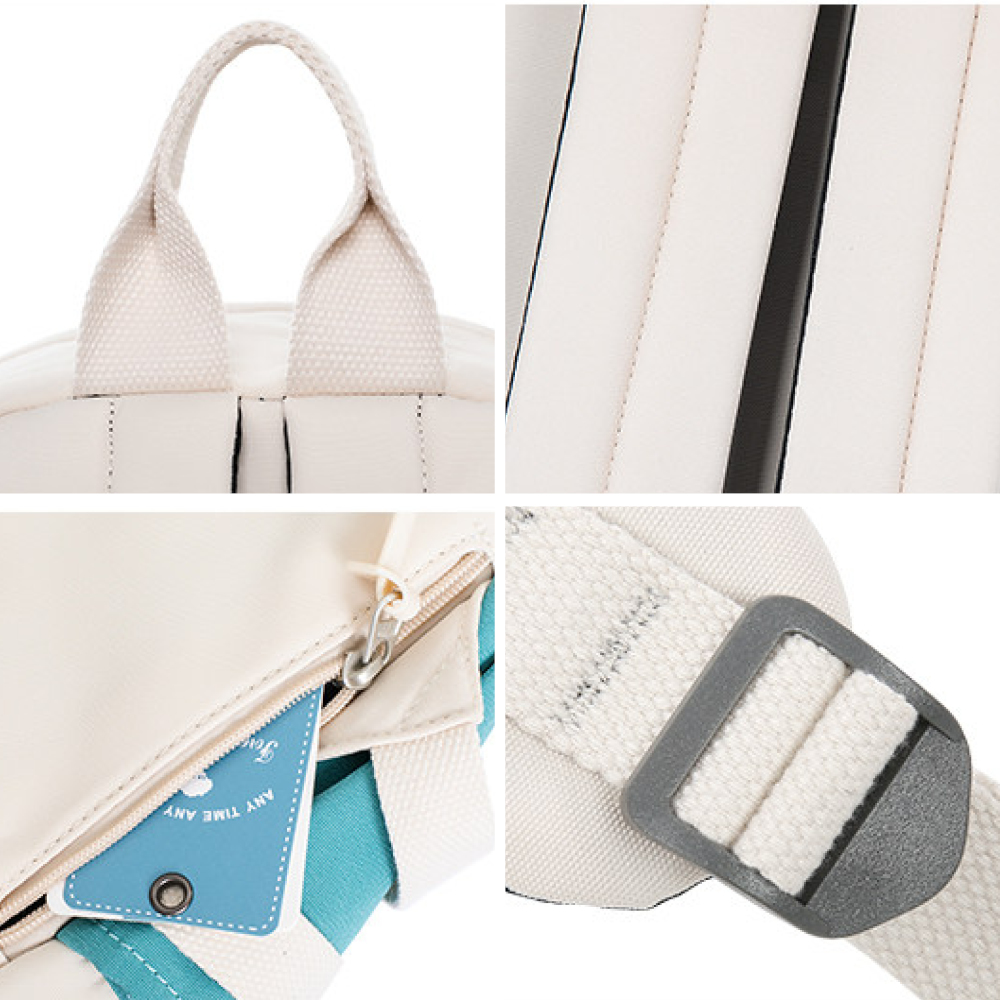
A useful travel backpack should also be easy to handle when you're moving quickly through an airport. A top handle, smooth zippers, and a design that stays relatively compact when packed can make everyday travel more convenient.
Comfort Matters More Than It Looks
A backpack may feel comfortable when it is empty and completely different once it contains a laptop, charger, water bottle, clothing, and other essentials. That is why shoulder straps, back padding, weight distribution, and adjustability deserve close attention.
Look for straps that can be adjusted to your body and positioned without digging into your shoulders. A padded back panel can also make longer walks more comfortable, while a chest or sternum strap can help stabilize a loaded pack for travelers who spend more time walking.
The position of heavier items matters, too. Keeping dense items relatively close to your back can help the backpack feel more balanced instead of pulling away from your body.
Laptop Protection for Modern Travelers
Many people now travel with a laptop, tablet, or other electronics, making dedicated tech storage an important feature. A separate padded laptop compartment helps create distance between the computer and other items inside the bag.
Check the actual dimensions of your laptop rather than relying only on the screen-size label. A computer described as a 15-inch laptop, for example, can have different overall dimensions depending on its design.
If you regularly travel through airports, an easy-access laptop compartment can also simplify security screening. Keeping your computer separate from clothing and accessories means you are less likely to have to unpack the entire backpack when you need quick access.
Organization Without Too Many Pockets
More pockets do not necessarily mean better organization. What really matters is whether the compartments match the things you actually carry.
A practical layout might include a main clothing compartment, a padded laptop sleeve, a smaller electronics section, an easy-access pocket for travel documents, and a dedicated space for a water bottle. Smaller zippered sections can then handle keys, cables, earbuds, or other items that are easy to lose inside a large compartment.
Packing cubes can provide another layer of organization without requiring a backpack with dozens of built-in pockets. This approach can be particularly useful when the same backpack needs to transition between weekend trips and longer vacations.
Lightweight Materials vs. Added Structure
A lighter backpack can be appealing because every extra ounce adds to the total load once the bag is packed. But reducing weight should not come at the expense of the features you actually need.
Soft fabrics can create a flexible, lightweight feel, while more structured materials can help the backpack maintain its shape. Water-resistant fabrics can also be useful for travelers who expect to walk outdoors in changing weather.
When evaluating construction, look beyond the fabric itself. Zippers, stitching, strap attachment points, padding, buckles, and the base of the bag all contribute to how it functions in everyday travel.
Water Resistance for Everyday Travel
You do not need a fully waterproof backpack for every trip, but some degree of water resistance can be useful when commuting between airports, hotels, cafés, and public transportation.
If protecting electronics is a priority, pay attention to the entire design rather than simply looking for the phrase “water resistant.” Zipper placement, seams, exterior pockets, and the position of the laptop compartment can all influence how well your belongings are protected from light rain and splashes.
Travel Backpack Style: Function Does Not Have to Look Technical
Travel bags have become part of everyday wardrobes, so appearance matters. Clean silhouettes, understated hardware, neutral colors, and subtle textures can help a backpack transition from the airport to a café or city street without looking overly specialized.
If you travel for work, a structured backpack may complement professional clothing more easily. For casual trips, a softer silhouette can feel more relaxed. The goal is not to follow a particular trend but to choose a design that fits naturally into the way you dress and travel.
Small Details That Can Make Travel Easier
Sometimes the most useful features are the ones you notice after several trips. A luggage pass-through can allow a backpack to sit on top of a rolling suitcase, while a quick-access exterior pocket can save time when you need your passport, phone, or boarding information.
A wide opening can make packing easier than a narrow top-loading design, especially when the backpack is being used as your primary luggage. Compression straps may also help keep partially filled bags compact and prevent clothing from shifting during transit.
If you frequently carry smaller personal items, organizers such as quilted makeup bags can keep cosmetics together without taking up much additional space. The same principle works for chargers, cables, medications, and other travel essentials.
A Simple Travel Backpack Checklist
Before You Choose
- Match the backpack capacity to your typical trip length.
- Check the packed dimensions against your airline's current rules.
- Measure your laptop before selecting the computer compartment.
- Look for adjustable, comfortable shoulder straps.
- Consider back padding and overall weight distribution.
- Choose compartments based on what you actually carry.
- Consider water-resistant materials if you travel outdoors frequently.
- Look for a luggage pass-through if you often combine a backpack with a suitcase.
- Choose a silhouette that works with your everyday wardrobe.
The Bottom Line
A travel backpack should make movement easier, not turn every journey into a balancing act. The most useful design is one that matches your packing habits, protects your essentials, feels comfortable when loaded, and fits naturally into the way you travel.
Start with the basics: capacity, dimensions, comfort, laptop protection, and organization. Then consider materials, water resistance, access points, and style. That approach helps you choose a backpack based on real travel needs rather than a long list of features you may never use.
Quick Travel Backpack Size Comparison
| Size | Typical Capacity | Best For | Typical Packing |
|---|---|---|---|
| Small | 15–20L | Day trips & short getaways | Essentials, tablet, light layers |
| Medium | 25–35L | Weekend & 2–4 day trips | Clothing, toiletries, laptop |
| Large | 40–45L+ | Longer trips & one-bag travel | Multiple outfits, shoes, electronics |
Capacity is approximate and varies by backpack design. Always check the packed dimensions and your airline’s current baggage rules before flying.