Article Summary: A canvas tote bag can be simple or surprisingly versatile. Learn how fabric weight, size, stitching, handles, and storage design affect comfort, durability, and everyday usability before choosing your next tote.
Canvas Tote Bag Buying Guide: How to Choose the Right Everyday Tote
From grocery runs and weekend outings to work and casual travel, a well-designed canvas tote bag combines simplicity, practicality, and timeless everyday style.
Few bags are as simple and recognizable as the canvas tote bag. With an open design, comfortable handles, and a casual appearance, it has become a popular choice for shopping, commuting, travel, and everyday carrying.
That said, not every canvas tote is designed the same way. Fabric thickness, stitching quality, handle construction, interior organization, and size all influence how practical the bag feels in daily use.
Understanding these details can help you choose a tote that matches your lifestyle instead of simply choosing the first design that looks appealing.
What Makes a Good Canvas Tote Bag?
A quality canvas tote bag is built around a balance of simplicity and function. The best designs usually avoid unnecessary complexity while focusing on reliable materials, comfortable carrying, and useful space.
Unlike structured handbags, canvas totes often have a relaxed appearance. However, small construction details can make a major difference in whether the bag feels comfortable and dependable after repeated use.
1. Understand Canvas Fabric Weight
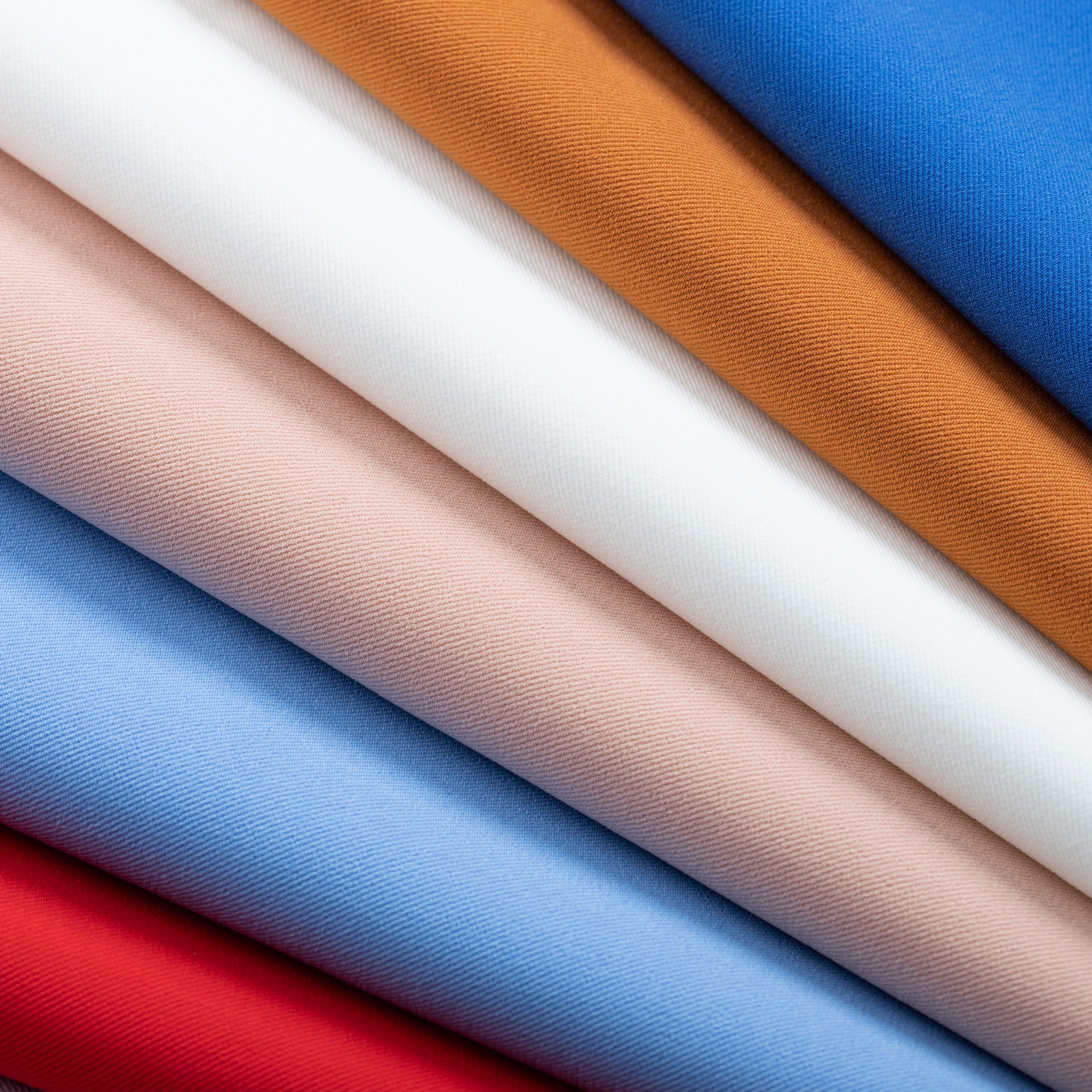
The fabric is one of the first things to consider. Canvas weight affects the feel, structure, and carrying experience of the bag.
Lightweight canvas creates a softer and more flexible tote that is easy to fold and store. Heavier canvas usually provides more structure and can hold its shape better when carrying books, groceries, or daily essentials.
Canvas Weight Guide
| Canvas Type | Feel | Suitable For |
|---|---|---|
| Light Canvas | Soft and flexible | Shopping, casual outings |
| Medium Canvas | Balanced structure | Daily commuting, school |
| Heavy Canvas | Firm and durable feel | Books, work items, frequent use |
2. Choose the Right Tote Bag Size
Size is one of the most important decisions because tote bags are often used for many different activities. A small tote may be convenient for quick errands, while larger designs offer more flexibility.
Many people choose large tote bags because they can carry more items without needing multiple bags. However, a larger size is only useful if it matches your daily needs.
| Size | Typical Use | Fits |
|---|---|---|
| Small | Light daily carrying | Wallet, phone, small accessories |
| Medium | Everyday lifestyle use | Books, tablet, personal items |
| Large | Work, travel, shopping | Laptop, documents, clothing layers |
3. Check the Handle Design
Handles are one of the most important parts of a tote bag because they carry the entire weight of the contents.
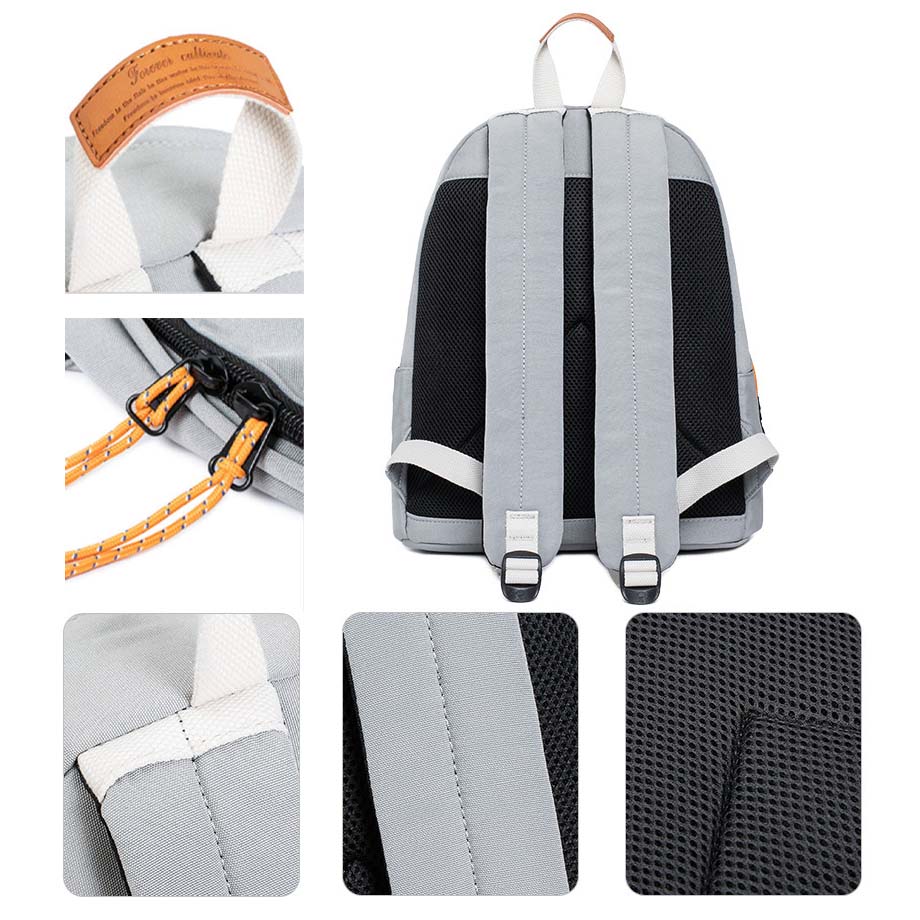
Look for handles that are securely attached with reinforced stitching. Longer shoulder straps provide more carrying flexibility, while shorter handles create a more traditional hand-carrying style.
If you often carry heavier items, wider handles may feel more comfortable because they distribute pressure better.
4. Look at Stitching and Construction Details
Simple designs make construction details easier to notice. Straight stitching, reinforced stress points, and clean edges often indicate more thoughtful craftsmanship.
Pay particular attention to handle connections, bottom corners, and areas around pockets. These parts experience more pulling and movement during everyday use.
5. Consider Interior Organization
Traditional canvas totes are often open and simple, but modern designs may include useful compartments for everyday organization.
A padded section can make a canvas tote more suitable as an alternative to traditional laptop bags for travel. Small pockets can keep chargers, keys, and accessories easier to find.
For personal items, separate organizers such as quilted makeup bags can help keep the main compartment cleaner and easier to manage.
6. Canvas Tote Bag vs Backpack
Both tote bags and backpacks are useful, but they suit different routines.
| Feature | Canvas Tote Bag | Travel Backpack |
|---|---|---|
| Access | Quick and open | More organized compartments |
| Carrying Style | Hand or shoulder carry | Hands-free carrying |
| Best For | Lifestyle, shopping, casual use | Travel and heavier loads |
7. Think About Weather Protection
Traditional canvas has a natural feel, but different treatments can improve resistance against moisture and stains.
If you regularly carry electronics or commute in changing weather, features found in water resistant laptop bags may be worth considering, such as coated fabric, protected compartments, or covered zippers.
For occasional travel, a lightweight design can also complement your carry-on luggage setup without adding unnecessary weight.
8. Style and Versatility Matter
One reason canvas tote bags remain popular is their ability to fit different lifestyles. A simple neutral canvas tote can work with casual outfits, office clothing, and weekend looks.
Some designs have a more masculine shape and larger capacity, making them suitable as a tote bag for men. Others focus on softer colors and minimalist details for a more classic lifestyle appearance.
Canvas Tote Bag Buying Checklist
- Choose a canvas weight that matches your usage
- Check handle strength and reinforcement
- Select the right size for daily essentials
- Look for clean stitching and strong seams
- Consider interior pockets and laptop protection
- Choose colors that fit your wardrobe
- Think about weather conditions and material treatment
- Make sure the carrying style feels comfortable
The Bottom Line
A canvas tote bag may have a simple appearance, but the best designs are created through thoughtful choices in fabric, construction, comfort, and organization.
Whether you need a daily shopping bag, a work companion, or a casual travel option, focusing on the details behind the design will help you choose a canvas tote that fits your lifestyle.