How to Choose a Durable Backpack: The 4 Details That Matter Most
Looking for a backpack that handles daily use better? Learn how shoulder straps, handles, fabric, and zippers affect comfort, strength, and long-term performance.
What Makes a Backpack Truly Durable?
A durable backpack is not only about thick material or a stylish design. The small construction details often decide whether a bag feels comfortable after months of commuting, travel, outdoor activities, or everyday carrying.
When shoppers search for a reliable backpack, they usually focus on appearance first. However, the real difference comes from the shoulder straps, handles, fabric quality, and zipper construction working together as one system.
1. Shoulder Straps: The Foundation of Carrying Comfort
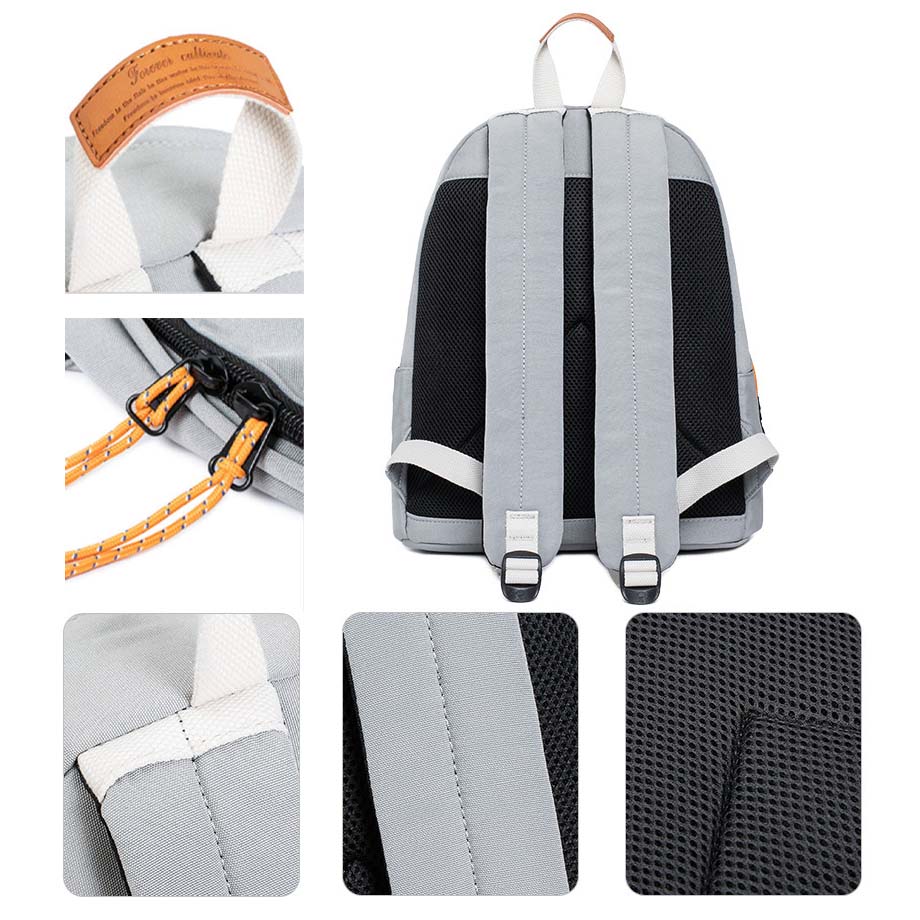
Shoulder straps are one of the most important parts of any backpack because they directly support the weight you carry. A well-designed strap should distribute pressure evenly across your shoulders instead of creating uncomfortable stress points.
Look for features such as padded cushioning, breathable materials, reinforced stitching, and adjustable lengths. These details are especially important for people who use backpacks for commuting, school, work, or weekend trips.
The shape of the straps also matters. Curved ergonomic designs often follow the natural shape of the body better than flat straps, helping create a more comfortable carrying experience.
2. Handle Strength: A Small Detail That Matters
Many people overlook the top handle until they start carrying their backpack by hand. A weak handle can become a common failure point because it experiences repeated pulling and lifting pressure.
A durable backpack usually has reinforced handle attachments with strong stitching around high-stress areas. Check whether the handle feels secure and comfortable when the bag is fully loaded.
For travelers, a sturdy handle is especially useful when moving through airports, train stations, or crowded city areas where carrying options change frequently.
3. Fabric Selection: More Than Just a Surface Choice
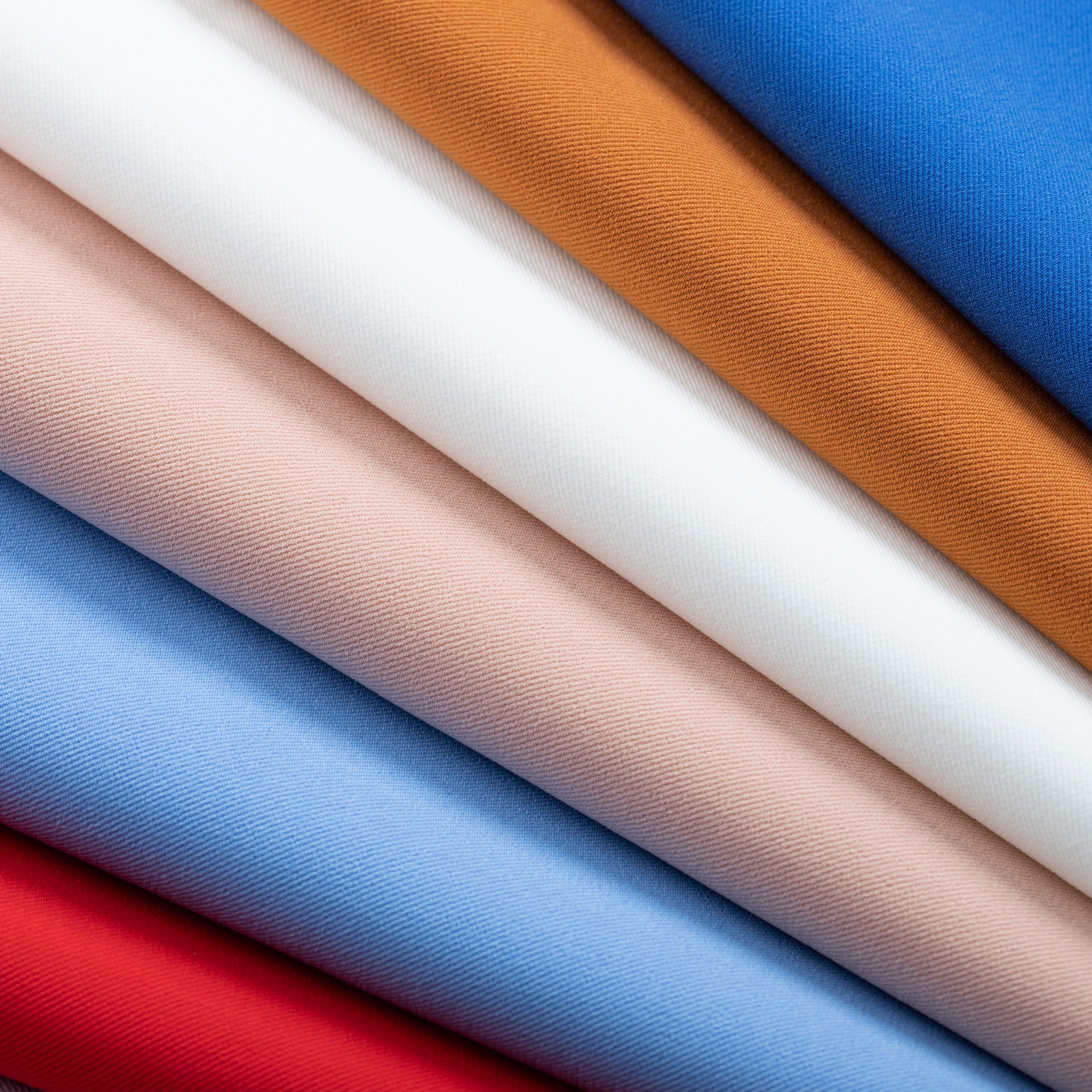
The backpack fabric affects durability, weight, appearance, and maintenance. Popular materials often include polyester, nylon, canvas, and other technical fabrics designed for different usage scenarios.
When evaluating backpack materials, consider abrasion resistance, water resistance, texture, and how the fabric performs under daily friction. A material that looks premium should also match your lifestyle needs.
For everyday backpacks, a balance between strength and lightweight construction is usually more practical than choosing the heaviest material available.
4. Zippers: The Component You Use Every Day
Zippers are opened and closed dozens of times, making them one of the most frequently used parts of a backpack. Smooth operation and solid attachment points can greatly influence daily convenience.
Pay attention to zipper size, stitching around zipper tracks, pull tab quality, and how easily the zipper moves when the bag is filled.
A backpack with carefully designed zipper areas can provide easier access while reducing unnecessary stress on the surrounding fabric.
Durable Backpack Checklist: What Should You Check?
| Part | What to Look For | Why It Matters |
|---|---|---|
| Shoulder Straps | Padding, ergonomic shape, reinforced stitching | Improves comfort during extended carrying |
| Handle | Strong attachment points and secure stitching | Handles repeated lifting and movement |
| Fabric | Balanced strength, weight, and abrasion resistance | Affects everyday durability |
| Zippers | Smooth movement and strong construction | Supports frequent daily use |
Final Thoughts: Build Quality Is in the Details
Choosing a durable backpack is about understanding how different parts work together. The shoulder straps determine comfort, the handle supports quick carrying, the fabric protects the structure, and the zippers influence everyday usability.
Whether you are choosing a backpack for work, travel, outdoor activities, or daily routines, paying attention to these four areas can help you make a more informed decision.