Looking for a running backpack that won't bounce, chafe, or fall apart mid-stride? We break down fit, fabric, and how to pick one that also doubles as lightweight luggage for race weekends.
Backpack for Running: What to Look For Before You Buy
Fit, fabric, and the details that separate a great running pack from a frustrating one.
A running backpack is not just a smaller version of your everyday bag. It sits against your back while you move, breathes with your body, and has to stay put through every stride. Get the wrong one and you'll feel every bounce, every rub, every drop of sweat that can't escape.
Here's the thing—most people start by looking at volume and price. That's backwards. What really matters is how the pack carries, how it handles moisture, and whether it fits the way you actually run.
Fit Comes First—Always
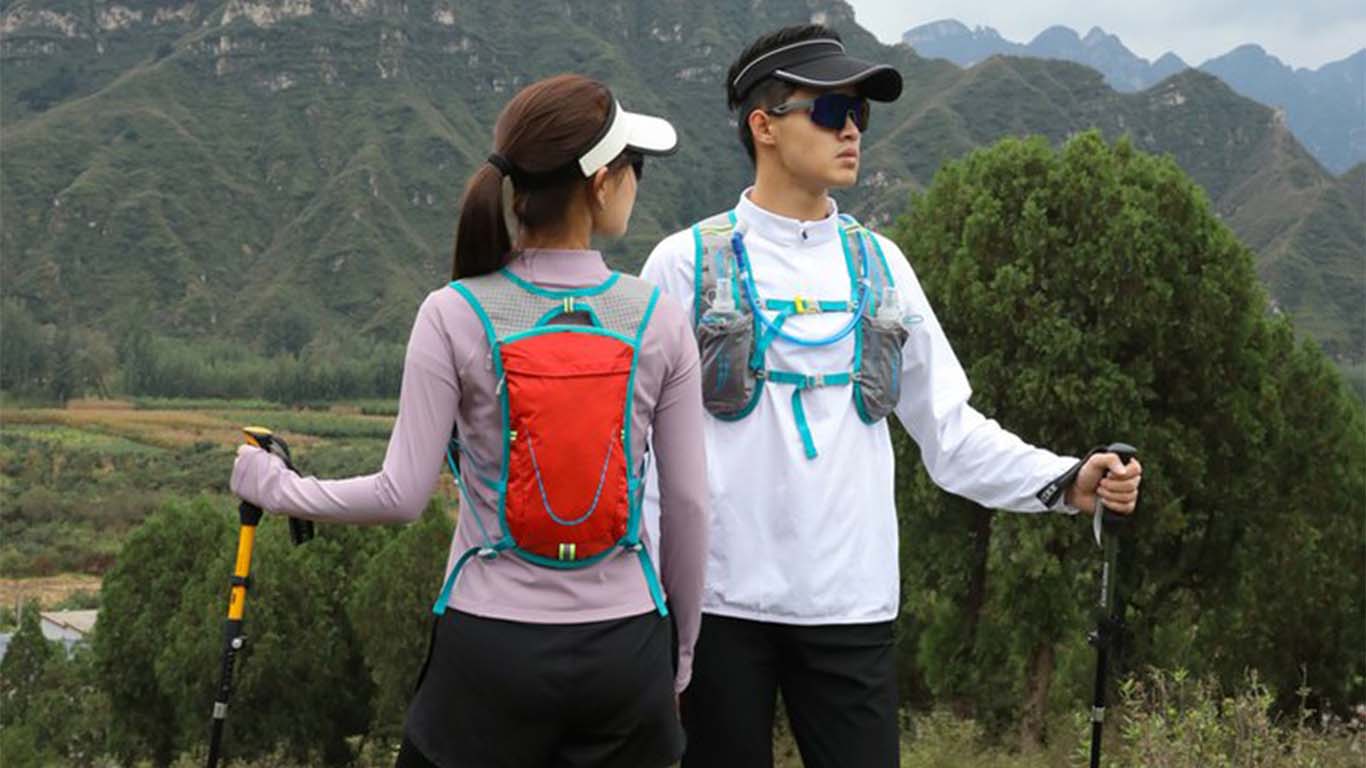
A running backpack should feel like a layer of clothing, not a piece of luggage strapped to your spine. The best packs distribute weight across your upper back and chest, not your shoulders alone.
Look for a sternum strap that adjusts vertically, not just horizontally. That single detail keeps the pack from riding up when you pick up pace. If you're between sizes, size down—a slightly snug pack beats a loose one every time.
For women, the chest strap needs to sit above or below the bust, not across it. For men, shoulder strap width matters more than most realize. A tote bag for men might work for the gym, but it won't stay put on a run. Running packs are built around movement, not convenience alone.
Quick fit check: Load the pack with about 5–8 pounds, tighten everything down, and jog in place for 60 seconds. If anything shifts more than an inch, the fit is wrong—not the weight.
Fabric and Weather Resistance
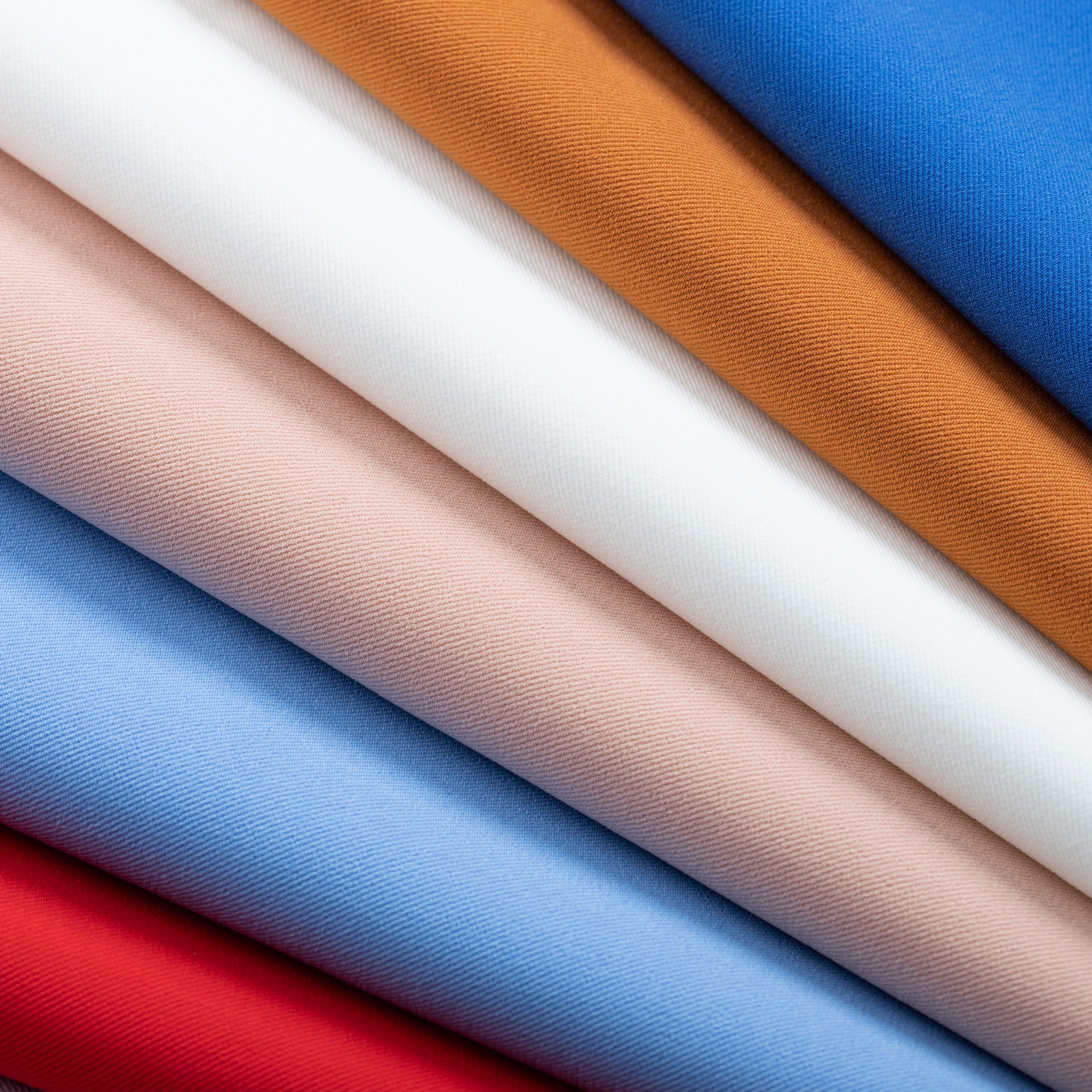
Running packs live in a sweaty, rainy, unpredictable environment. A water resistant shell helps, but breathability matters just as much. The same technology behind water resistant laptop bags—coated ripstop nylon, seam-sealed zippers, DWR finishes—shows up in the best running packs too.
That said, don't confuse water resistance with waterproof. A heavy downpour will eventually soak through most fabrics. If you run in serious rain, look for a pack with a built-in rain cover or taped seams.
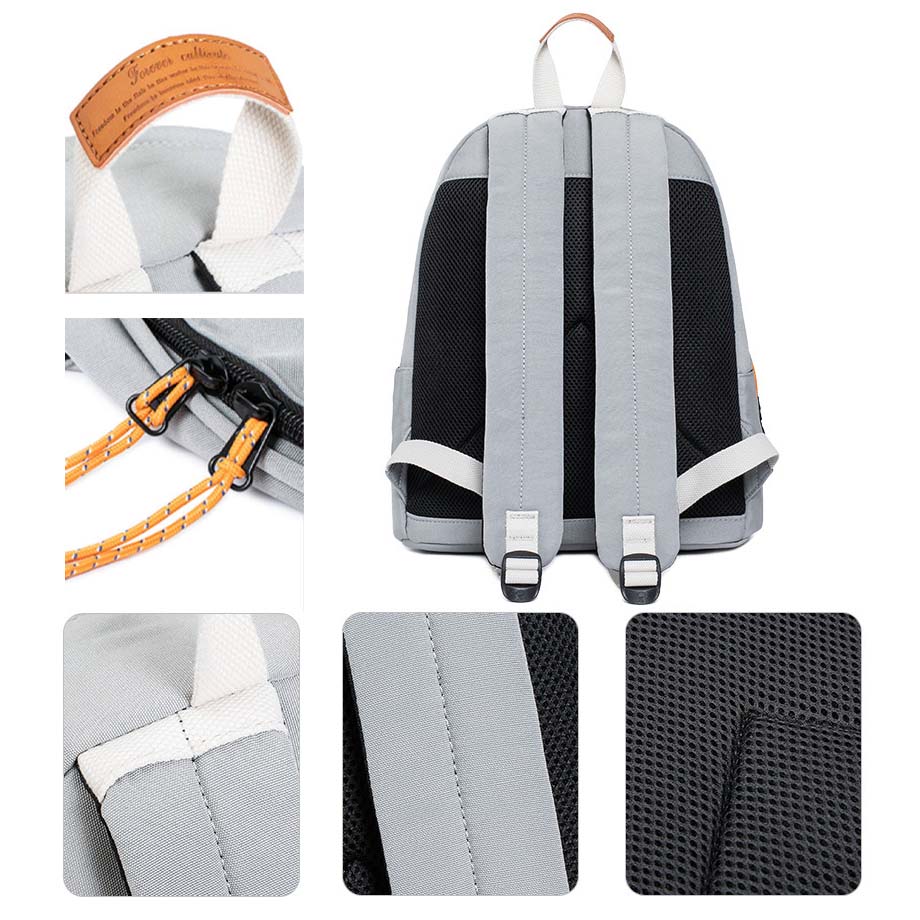
Ventilation is the other half of the equation. Mesh back panels, channeled foam, and suspended mesh designs all help air move between you and the pack. Without that airflow, even a light pack turns into a sweaty mess.
Size and Capacity: Less Than You Think
Most runners need between 5 and 15 liters for a running backpack. That's enough for a light layer, phone, keys, nutrition, and a small water bottle or bladder. Anything larger starts to bounce and feel bulky.
If you travel to races, a 20–30L pack can pull double duty as lightweight luggage for a short trip. It won't replace a large suitcase or hardside luggage for a week-long vacation, but for an overnight or race weekend, it works surprisingly well.
Just remember: the more you carry, the more the pack moves. Keep your load under 10 pounds if you can. Your shoulders will thank you.
Running Packs vs. Other Bags: A Quick Comparison
| Feature | Running Backpack | Everyday Backpack | Rolling Bag |
|---|---|---|---|
| Stability during movement | High—designed for bounce-free carry | Low—shifts with every step | None—meant for smooth surfaces |
| Breathability | High—mesh panels and channeled foam | Moderate to low | Not applicable |
| Weather resistance | Often water resistant or rain-cover ready | Varies widely | Usually water resistant shell |
| Best use case | Running, hiking, fast travel | Commuting, daily carry | Airport travel, heavy loads |
| Pairs well with | Hydration vest, soft flask | Laptop sleeve, quilted makeup bags | Carry-on luggage, rolling bags for laptop |
Hydration: Bottles, Bladders, or Both?
Most running backpacks are built around either a bladder sleeve or front bottle pockets. Some do both. Which one is better depends on how you drink.
Bladders hold more water and keep weight centered on your back. Bottles are easier to refill and let you monitor how much you've had. For runs under an hour, a single soft flask in a front pocket is often enough.
What really matters is reachability. If you can't grab a drink without stopping, you won't drink. Test the pocket placement before you commit—especially if you have shorter arms or a longer torso.
Travel-Friendly Details That Matter
If your running pack will also serve as travel gear, a few features make a big difference. A luggage pass-through sleeve lets you slide the pack over the handle of carry-on luggage or a rolling bag for laptop, keeping your hands free in the airport.
A small external pocket for your phone and passport saves you from digging through the main compartment. And a compressible design means you can cinch it down when it's half empty, so it doesn't flop around.
These details won't show up in a spec sheet, but they're the difference between a pack you tolerate and one you actually enjoy using.
What to Skip
Not every feature is worth paying for. Extra compartments add weight. Padded laptop sleeves are unnecessary if you're not carrying a laptop. And heavy buckles or rigid frames work against the whole point of a running pack.
Keep it simple. A well-fitted pack with a main compartment, a few smart pockets, and good ventilation will outperform a feature-heavy one every time.
The Bottom Line
Choosing a running backpack comes down to three things: fit, fabric, and function. Get the fit right and everything else falls into place. Choose a fabric that handles sweat and light rain. And pick the function that matches your runs—short and fast, long and steady, or travel-ready.
You don't need the most expensive pack. You need the one that disappears on your back and lets you focus on the miles ahead.
Cover Image Suggestion
Style: Natural light, real-world setting, minimal editing. A runner on a trail or city path, mid-stride, wearing a compact running backpack. No posed smiles—just genuine movement.
Scene: Outdoor trail at golden hour or an urban park path. The pack should be visible but not the focal point. Natural sweat, natural posture.
Search keywords for Unsplash / Pexels:
"runner trail backpack natural light" · "woman running outdoor backpack" · "man jogging park path backpack" · "trail running gear golden hour"
Alt Text (SEO & accessibility):