Backpack Fabric Guide: How to Pick the Right Material for Daily Use
Compare common backpack fabrics, their strength, weight and weather performance for everyday carry
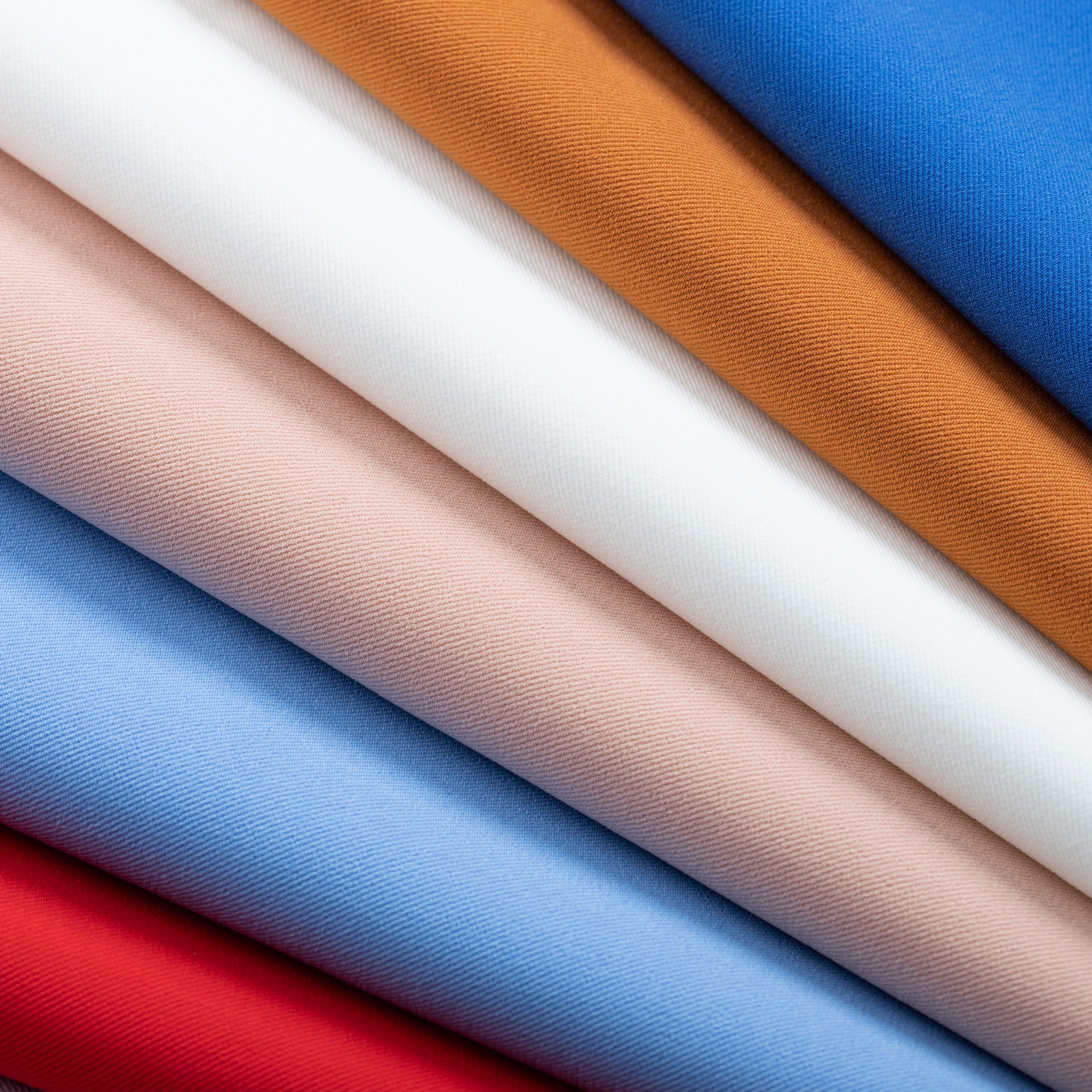
Many shoppers choose a backpack based only on looks, without checking fabric quality. This backpack fabric guide breaks down popular materials, their pros and cons, to help you match the right textile to your daily routine.
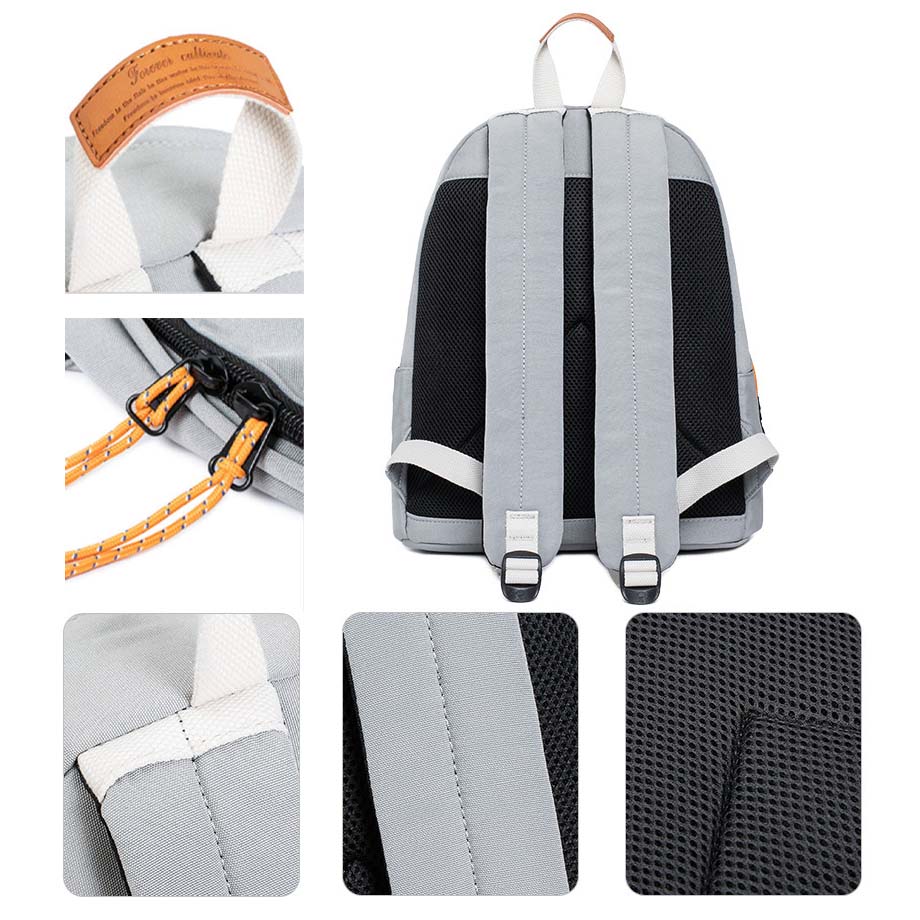
Backpack fabric defines how your bag holds up to scratches, moisture and regular wear. Even two backpacks with identical shapes can feel and perform very differently simply because of the material used. Learning the basics of backpack fabric helps you avoid picking a pack that wears thin or fails quickly under your typical use.
Nylon: Lightweight and Abrasion Resistant
Nylon remains one of the most widely used backpack fabric options for everyday and travel bags. It stretches slightly under stress, which helps prevent tearing when the bag is overstuffed. Higher denier nylon delivers greater toughness, though it also adds a small amount of extra weight.
Most nylon backpack fabric comes with a DWR finish to repel light rain and spills. Over time, this coating can wear off with rubbing and frequent washing. A simple re-treatment spray can restore much of its water repellency when needed.
Polyester: Budget-Friendly and Color Stable
Polyester is a common backpack fabric found in student and casual daypacks. It resists UV fading better than many nylon options, so printed colors stay vibrant after long hours in sunlight. It does not stretch much, which keeps the bag shape consistent even with repeated loading.
Polyester tends to feel less soft than nylon and can hold onto moisture longer. It works well for low-to-medium use, but thinner polyester may develop snags if it regularly rubs against rough surfaces like concrete or metal edges.
Canvas: Classic Texture and Heavy-Duty Feel
Canvas backpack fabric has a sturdy, textured look that appeals to people who prefer a timeless aesthetic. Thick canvas stands up well against scrapes and minor impacts, and it tends to develop a unique patina over time with use.
The tradeoff is weight. Canvas is heavier than synthetic fabrics like nylon and polyester. It also absorbs water easily, so uncoated canvas can become damp and heavy during rain. Many canvas packs add a backing coating to improve water resistance.
Specialty Coatings & Laminates
Coatings change the performance of base backpack fabric without replacing the main textile. PU coating is applied to the inside of many packs to block moisture from seeping through fabric threads. It can peel gradually with flexing and age, especially in areas that bend repeatedly.
TPU lamination creates a more durable waterproof barrier than many PU coatings. Fabrics with TPU backing are often used for outdoor or wet-weather backpacks. They can feel stiffer and less breathable compared to standard woven fabrics.
Understanding Denier Ratings
Denier tells you the thickness of individual threads used in backpack fabric. Higher denier numbers mean thicker yarn and generally stronger material. Many everyday backpacks sit between 300D and 600D for balanced weight and durability.
A high denier rating does not automatically mean the backpack fabric is perfect. Poor weaving or cheap coating can still create weak points. Denier is just one detail to consider alongside fabric type and stitching quality.
How to Choose Backpack Fabric For Your Lifestyle
Think about where and how you carry your pack before deciding on backpack fabric. City commuters often lean toward lightweight nylon with DWR coating for sudden rain. Students may pick polyester for its fade resistance and lower cost.
Outdoor users might seek TPU-laminated materials, while casual style-focused users often prefer canvas. No single fabric works for everyone; your best choice balances weight, texture, weather exposure and expected wear level.
Quick Reference Table: Common Backpack Fabrics
| Fabric | Key Strengths | Main Limitations | Best For |
|---|---|---|---|
| Nylon | Light, tough, good tear resistance | DWR coating wears over time | Travel, daily commuting |
| Polyester | Fade resistant, affordable | Can snag on rough surfaces | School, casual day use |
| Canvas | Classic look, thick texture | Heavy, absorbs water easily | Casual everyday carry |
| PU Coated Fabric | Low-cost moisture barrier | May peel with repeated bending | Budget everyday backpacks |
| TPU Laminated Fabric | Reliable water barrier | Stiffer, less breathable | Outdoor & wet weather use |
Knowing what backpack fabric is made of helps you set realistic expectations for durability and care. Every material has strengths and compromises. The goal is to match the fabric properties to your daily environment instead of chasing a single “premium” material label.