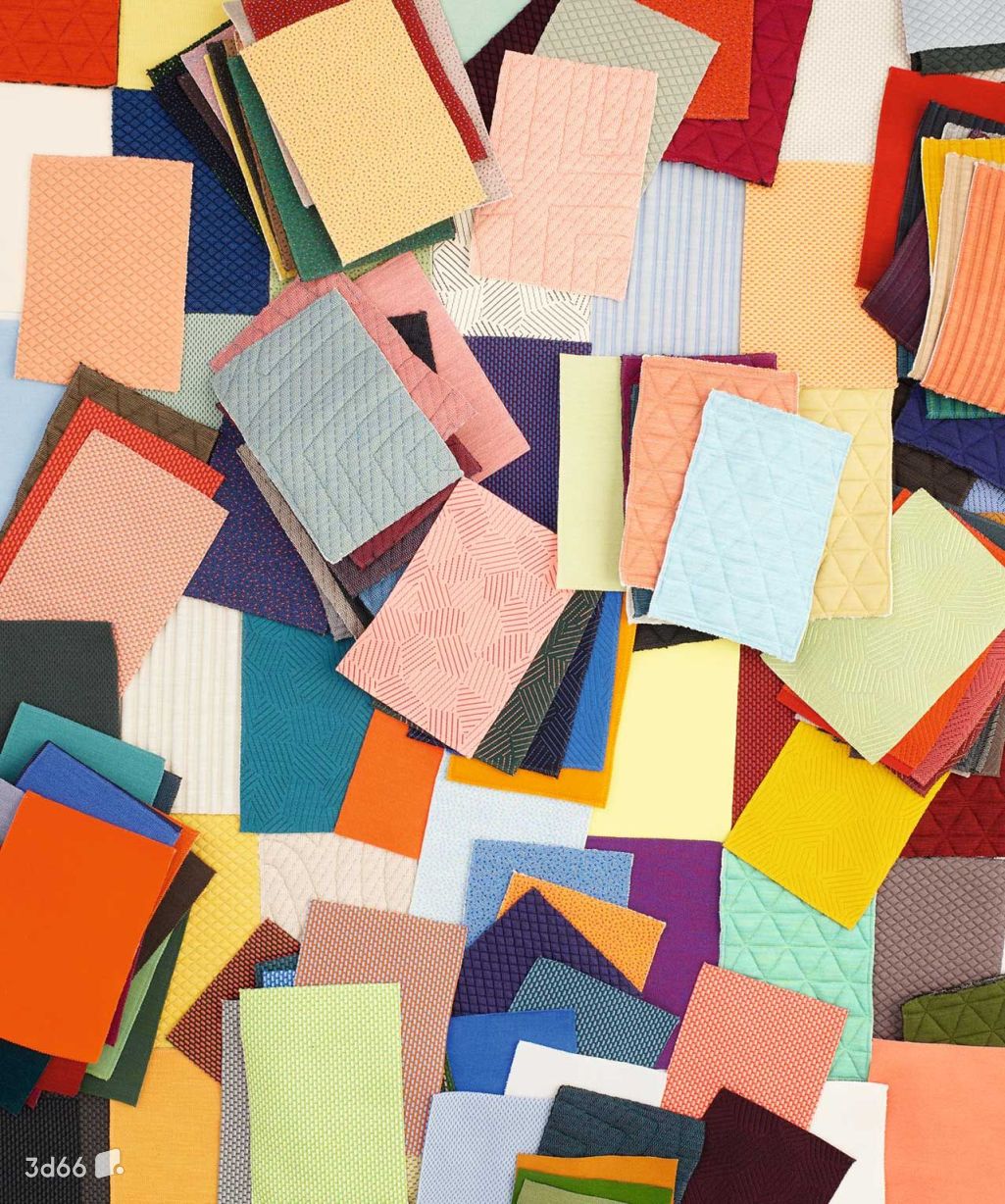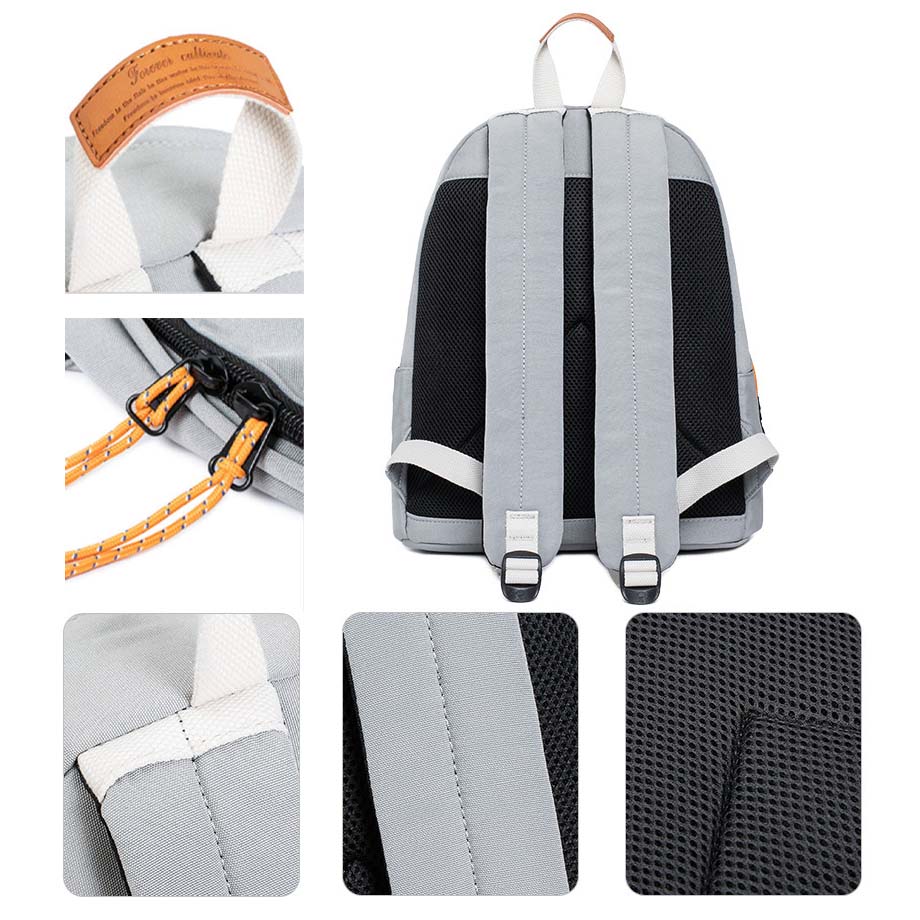
When you're choosing a backpack, don't just look at the color or style. The fabric is what decides how light it feels, how well it handles wear and tear, how it deals with rain, and how good it still looks after a few years.
Here's a plain-English guide to five common backpack fabrics.
1. Nylon: The All-Rounder
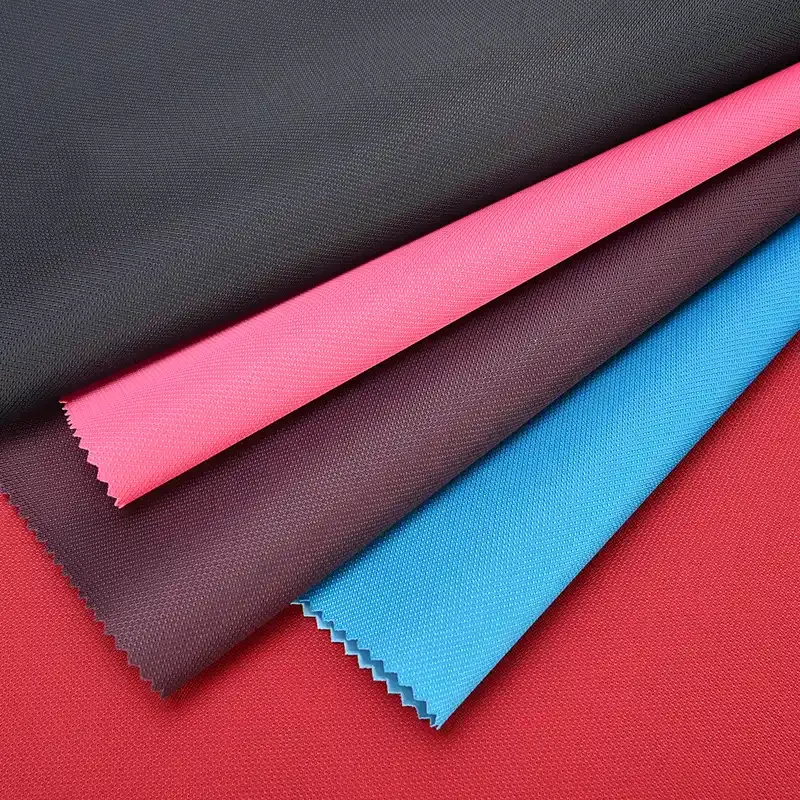
Nylon is one of the most widely used backpack fabrics—and for good reason.
- Light but strong: It gives you durability without adding much weight.
- Good abrasion resistance: It holds up well against everyday rubbing, scuffing, and wear.
- Water-resistant when coated: Many nylon backpacks have a PU or other water-resistant coating.
Best for: Everyday use, commuting, and light outdoor activities.
2. Polyester: The Steady Performer
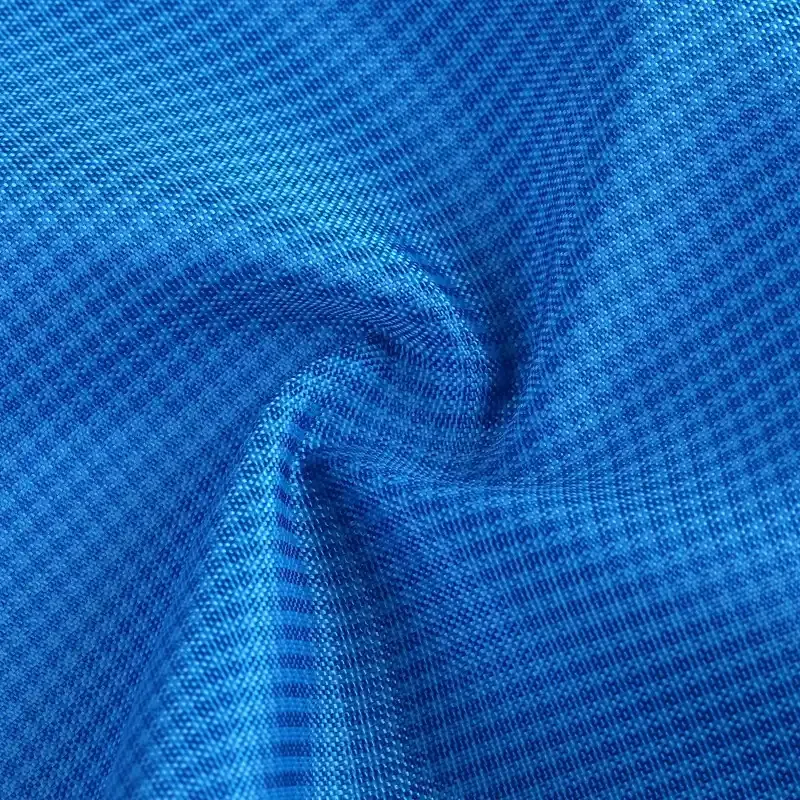
Often compared with nylon, polyester brings its own strengths.
- Quick-drying and colorfast: It doesn't soak up moisture easily and holds color well, so your pack keeps looking fresh.
- UV resistant: It stands up better to long sun exposure without breaking down as fast.
- Budget-friendly and reliable: A great choice if you want solid performance without spending too much.
Best for: Travel, school, and outdoor fun in mixed weather.
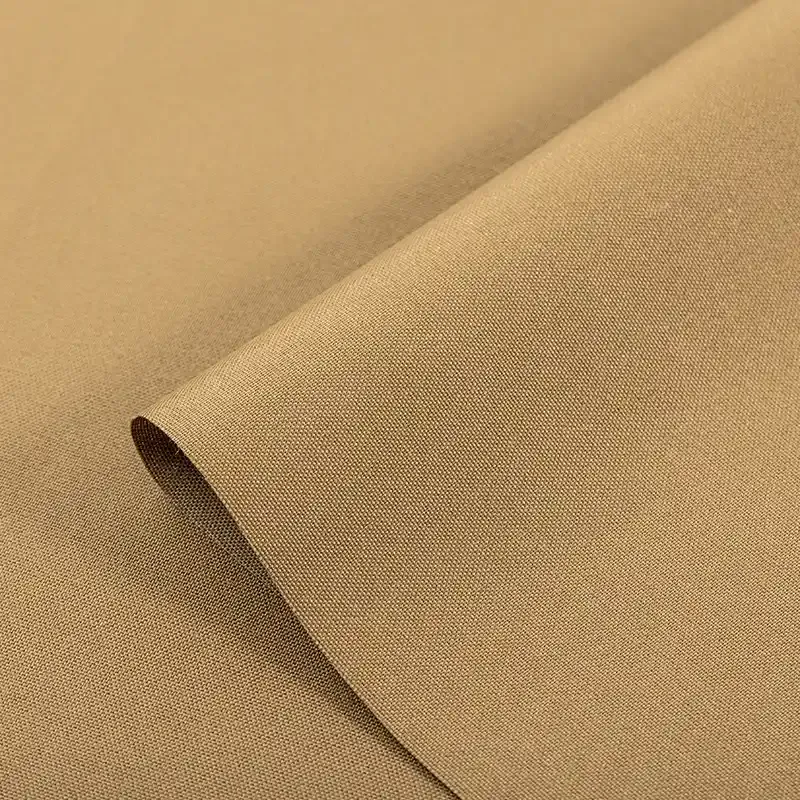
3. Cordura®: The Gold Standard in Durability
If you want maximum toughness, Cordura® is the fabric to trust. It's known for standing up to abrasion, tears, and scuffs, which is why it's used in military, tactical, and heavy-duty outdoor gear.
- Extreme abrasion resistance: It's built to handle repeated rubbing, scraping, and rough surfaces.
- High tensile strength: It can carry heavy loads without stretching or tearing.
- Available in different deniers: From lightweight 500D to ultra-tough 1000D. In simple terms, the higher the D number, the thicker and tougher the fabric usually is—but also a bit heavier.
Best for: Hiking, hunting, tactical use, and anyone who needs a pack that can take a beating.
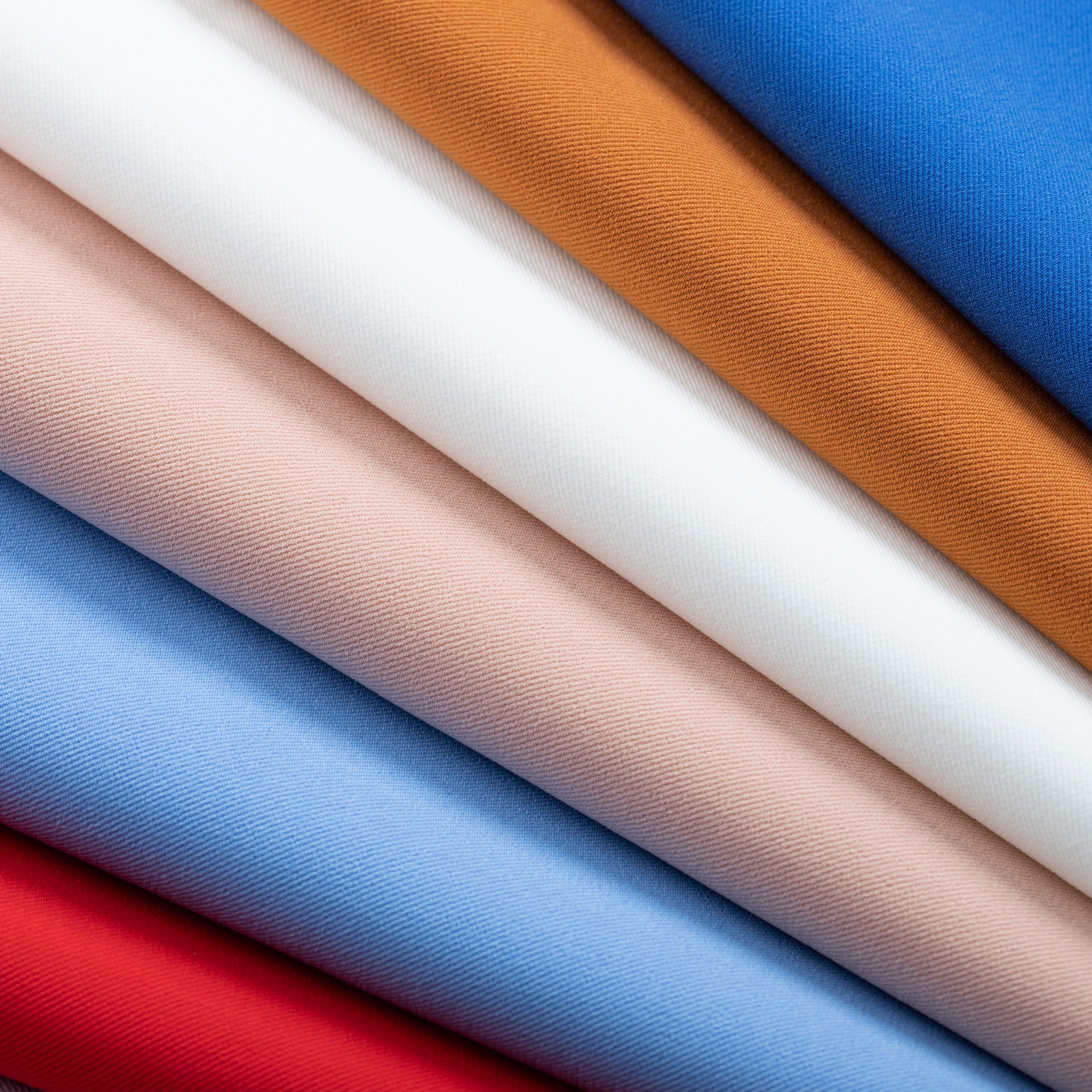
4. Ripstop: The Lightweight Defender
Ripstop fabrics are woven with a reinforced grid pattern, usually in nylon or polyester. That grid helps stop small tears from turning into big ones.
- Excellent tear resistance: Great when your pack might snag on branches or sharp objects.
- Lightweight and packable: You get protection without extra bulk.
- Often water-resistant: Many ripstop fabrics are treated with a durable water-repellent (DWR) finish.
Best for: Ultralight hiking, climbing, and travel where weight and tear resistance matter.
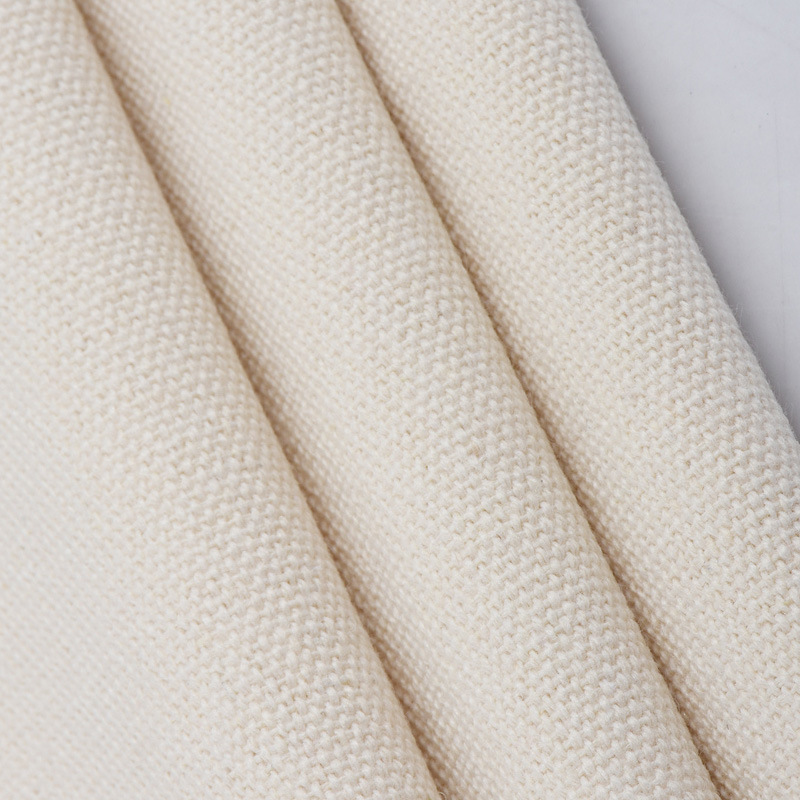
5. Canvas: The Classic Workhorse
Before synthetic fabrics took over, canvas—usually cotton-based—was the original tough backpack material.
- Natural look and feel: It has a timeless, rugged style.
- Durable and repairable: It ages well and can often be fixed easily.
- Heavier when wet: Unlike synthetic fabrics, canvas absorbs moisture and gets heavy in the rain.
Best for: Heritage-style packs, casual use, and light outdoor activities.
Quick comparison
How to choose the right fabric
- For daily commuting: Go with coated nylon or polyester. They balance durability, weather resistance, and style.
- For hiking and outdoor adventures: Choose Cordura® or ripstop nylon for better abrasion and tear resistance.
- For tactical or heavy-duty use: Cordura® is the clear winner for long-term performance.
- For travel and versatility: Look for a blend, such as a Cordura® base with ripstop panels, to get the best of both worlds.
One thing to remember: Water-resistant is not the same as waterproof. Light rain and spills are usually fine, but for heavy rain, a rain cover is still your best bet.
Want a backpack that lasts?
Understanding fabric is the first step toward choosing a backpack you won't need to replace next year.
At Dupeng, we choose fabrics with real life in mind—using Cordura®, high-density nylon, and weather-resistant materials to help keep your gear protected, trip after trip.
Check out our rugged backpacks, built for wherever you're headed.