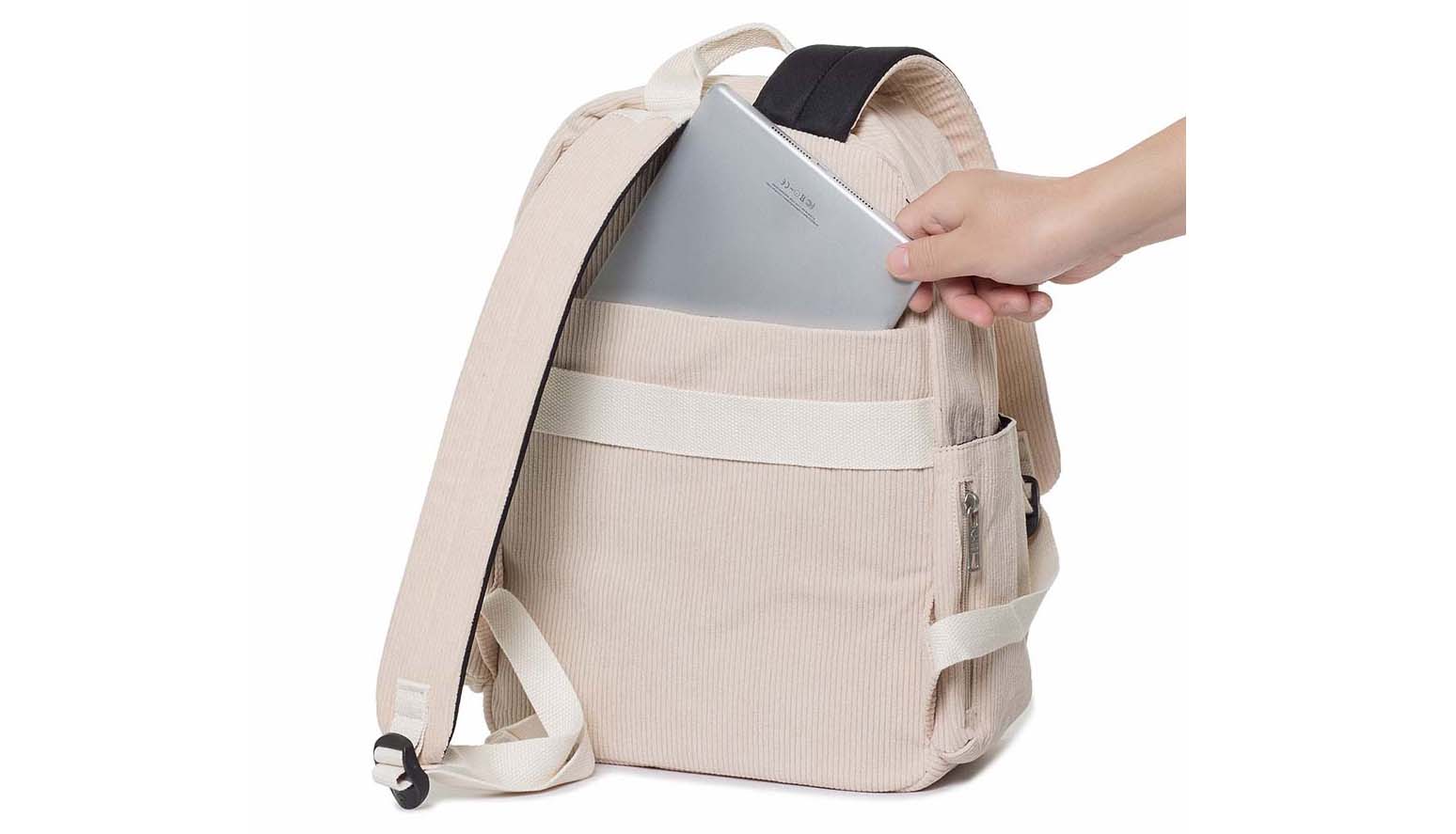
How to Choose a Lightweight Travel Backpack: 8 Points are important
A lighter bag can make airport transfers, city walks, and weekend trips feel more manageable. The trick is finding a backpack that saves weight without sacrificing comfort, useful storage, or durability.
Packing for a trip often means making small decisions about what to bring and what to leave behind. Your backpack deserves the same attention. A bulky bag can feel cumbersome when you're walking between train stations, climbing stairs, or moving through a busy airport.
A lightweight travel backpack can help reduce the weight you carry, but the lightest option isn't automatically the best one. A bag that lacks back support, has awkward pockets, or doesn't fit your travel plans may become frustrating after a few hours.
The right choice depends on how long you travel, what you pack, how you get around, and whether you need to carry your bag onto a plane. Here are eight practical things to consider before choosing your next travel backpack.
1. Start With the Backpack's Weight
Weight is an obvious starting point, but it's worth comparing bags carefully. Two backpacks with similar capacities can have noticeably different empty weights because of their frames, padding, zippers, pockets, and materials.
Check the listed weight of the complete backpack, including any removable hip belt, rain cover, or detachable accessories you plan to carry. If the product page lists several configurations, make sure you're comparing the same setup.
How light should a travel backpack be?
There's no single ideal weight for every traveler. A compact daypack can be much lighter than a larger bag designed to carry clothing, electronics, and several days of supplies. Larger bags may also need more structure and padding to remain comfortable when loaded.
Rather than chasing the lowest number, compare the empty weight with the bag's intended capacity and support features. A small weight difference may be worth accepting if it gives you a better fit, more reliable construction, or easier access to your essentials.
- Compare the empty weight of similarly sized bags.
- Check whether accessories are included in the listed weight.
- Consider how much the backpack will weigh once fully packed.
- Think about how long you'll carry it between stops.
2. Choose the Right Capacity for Your Trip
Backpack capacity is usually measured in liters. A smaller bag can encourage efficient packing, while a larger one offers more room for extra clothing, bulky items, or equipment. The goal is to choose a size that matches your normal packing habits rather than buying extra space you may rarely use.
| Trip type | Possible capacity range | What to consider |
|---|---|---|
| Day trips and sightseeing | 10–20 liters | Water, snacks, a light layer, and small essentials |
| Weekend travel | 20–35 liters | A change of clothes, toiletries, and everyday items |
| Several days of light travel | 30–45 liters | More clothing, footwear, and personal gear |
These ranges are starting points, not strict rules. The amount of space you need depends on the season, your clothing choices, access to laundry, and whether you carry a laptop or camera equipment. A 30-liter bag may be enough for one traveler and too small for another.
Before choosing a capacity, lay out the items you normally pack. If possible, test them in a bag with similar dimensions. Pay attention to the main compartment's shape, not just the total number of liters. A tall, narrow bag may hold items differently from a shorter, wider one.
3. Check Comfort and Fit
A lightweight backpack still needs to feel good on your body. Shoulder straps that dig in, a back panel that traps too much heat, or a bag that pulls away from your back can make a short walk feel longer.
Shoulder straps
Look for straps with enough padding to distribute pressure without feeling excessively bulky. Their shape and adjustability matter as much as the amount of padding. The straps should sit comfortably on your shoulders without rubbing your neck or slipping off too easily.
Back panel and airflow
A shaped back panel can improve stability, while breathable mesh or channels may help reduce the feeling of heat against your back. No design can eliminate sweating in hot weather, so consider the climate and how actively you'll be moving.
Chest straps and hip belts
A chest strap can help keep shoulder straps in place. Some larger backpacks also include a hip belt that transfers part of the load toward your hips. For a compact daypack, these features may be unnecessary; for a heavier load, they may make a meaningful difference.
If possible, try the backpack with a realistic load before buying. Adjust the straps, walk around, bend down, and check whether the bag stays stable. If you're shopping online, review the sizing guide and return policy before making a decision.
4. Look for Practical Organization
A good travel backpack makes it easy to find what you need without forcing you to unpack everything. Thoughtful organization can save time at security checkpoints, in hotel rooms, and during busy travel days.
Useful features to consider
- A wide-opening main compartment: Makes clothing and packing cubes easier to reach.
- A separate laptop sleeve: Helps keep a computer away from other packed items.
- A quick-access pocket: Gives you a convenient place for tickets, tissues, or other small essentials.
- Stretch side pockets: Can hold a water bottle or compact umbrella.
- Small internal pockets: Help separate cables, chargers, and toiletries.
More pockets aren't always better. Too many compartments can add weight and make it harder to remember where you've stored something. Focus on the items you use most often and choose a layout that matches your routine.
If you prefer packing cubes, a simple main compartment may work well. If you carry electronics and many small accessories, a few dedicated pockets may be more useful.
5. Compare Materials and Construction
The material affects a backpack's weight, feel, water resistance, and ability to handle everyday wear. Lightweight fabrics can work well for travel, but the fabric name alone doesn't tell you how durable the finished bag will be.
Nylon and polyester are common choices for travel backpacks. Their performance varies with fabric construction, thickness, coatings, and overall design. Reinforced panels can add strength in areas exposed to more friction, such as the bottom and corners.
What to inspect
- Fabric: Look for specifications about abrasion resistance and water repellency when available.
- Stitching: Check stress points around the shoulder straps, handles, and zipper ends.
- Zippers: Open and close them several times if you can, and check whether they move smoothly.
- Bottom panel: Consider whether it can handle being placed on floors, pavement, or other rough surfaces.
- Water protection: Check whether the bag is water-resistant, includes a rain cover, or has another stated form of protection.
Water-resistant does not mean waterproof. Rain can enter through zippers, seams, and openings, even when the fabric repels water. If you'll carry a laptop, camera, or important documents, consider an additional waterproof pouch or dry bag for extra protection.
You should also think about long-term use. A slightly heavier bag with well-finished seams may be a better fit than an ultralight option that doesn't suit your travel conditions. Look at the whole construction rather than judging durability from fabric weight alone.
6. Check Carry-On Compatibility Before Flying
If you plan to travel with your backpack instead of checking it, dimensions matter as much as capacity. Airlines can set different limits for carry-on bags and personal items, and the rules may vary by route, ticket type, and aircraft.
Check the current requirements for your specific airline before departure. Measure the backpack when packed, including external pockets and anything attached to the outside. A bag that fits when empty may expand beyond the permitted size once filled.
Carry-on features that can help
- A shape that fits within the airline's stated dimensions.
- Compression straps that help keep the load compact.
- Handles that make the bag easier to lift into an overhead bin.
- A layout that gives you access to travel documents and essentials.
- A manageable packed weight for walking through terminals.
Don't assume that a backpack advertised as a carry-on will meet every airline's rules. If you plan to place it under the seat, check the personal-item limit rather than relying on the larger carry-on allowance.
7. Consider Access and Everyday Security
Travel often involves crowded sidewalks, public transportation, and unfamiliar places. A backpack should make your belongings reasonably easy to manage while helping you keep important items close.
Look for zipper pulls that are easy to operate, pockets that sit where you expect them to, and a main opening that doesn't leave you struggling to reach the bottom of the bag. A pocket positioned against your back may be useful for a passport or other small valuables, depending on the design.
Some travelers prefer lockable zipper pulls or concealed pockets. These features may add convenience or create an extra obstacle for opportunistic theft, but they cannot guarantee that a backpack or its contents will be safe. Keep valuables close in crowded areas and avoid leaving your bag unattended.
If easy access is important, try the pocket layout before committing to a particular design. Security features are most useful when they're practical enough for you to use consistently.
8. Avoid Paying for Features You Don't Need
A backpack can look impressive on a product page and still be wrong for your trip. Extra straps, oversized padding, numerous compartments, and built-in accessories may increase weight without solving a real problem for you.
Start with your travel habits. If you mostly take short city breaks, you may not need a large frame or extensive attachment points. If you carry a laptop every day, a padded sleeve may be worth the added weight. If you travel in rainy climates, weather protection may matter more than extra pockets.
Make a short list of your must-have features before comparing models. Then separate useful extras from features you are unlikely to use. This helps you focus on fit, capacity, and construction instead of choosing a bag simply because it has the longest feature list.
Which Lightweight Travel Backpack Fits Your Trip?
Different trips call for different priorities. Use these examples as a starting point, then adjust them to your packing habits.
| Your travel style | Prioritize | Possible trade-off |
|---|---|---|
| Weekend city breaks | Compact size, simple organization, comfortable straps | Less room for bulky clothing |
| Frequent air travel | Airline-compliant dimensions, easy access, compact packing | May require more careful packing |
| Work trips | Laptop protection, document storage, clean organization | Extra padding may add weight |
| Outdoor day trips | Breathable back panel, water-bottle storage, weather protection | Outdoor-focused features may be unnecessary for city travel |
| Longer trips with minimal luggage | Efficient capacity, durable construction, supportive straps | A larger bag can become heavy when fully packed |
Remember that a backpack's capacity doesn't determine how much it weighs when packed. Shoes, electronics, toiletries, and water can add up quickly. Your packing choices matter just as much as the bag itself.
Final Buying Checklist
Before you choose a lightweight travel backpack, use this checklist to compare your options.
- The empty weight is reasonable for the bag's size and purpose.
- The capacity matches the length and style of your trips.
- The shoulder straps and back panel feel comfortable when loaded.
- The pockets fit the items you use most often.
- The fabric, stitching, and zippers suit your expected use.
- The level of water protection matches the weather you expect.
- The packed dimensions meet your airline's current requirements, if needed.
- The security and access features fit your travel routine.
- The bag doesn't include unnecessary features that add weight.
- You have checked the sizing information and return policy.
Frequently Asked Questions
What is a good weight for a lightweight travel backpack?
It depends on the backpack's capacity, structure, and intended use. Compare bags of similar sizes, then decide whether the weight savings justify any differences in comfort, organization, or construction.
Is a 30-liter backpack enough for travel?
A 30-liter backpack can work for a weekend or a longer trip with efficient packing, depending on the weather and your belongings. Bulky clothing, extra footwear, and electronic equipment may require more space.
Can a lightweight travel backpack be used as a carry-on?
Many can, but capacity alone doesn't determine whether a bag qualifies. Check your airline's current carry-on or personal-item dimensions and measure the backpack when packed.
Are lightweight backpacks less durable?
Not necessarily. Durability depends on fabric construction, stitching, reinforcement, zippers, and how the bag is used. Compare these details rather than assuming that a lighter backpack will wear out sooner.
Is a waterproof backpack necessary for travel?
Not for every trip. Water-resistant fabric may be enough for light rain, while wet-weather travel or sensitive electronics may call for stronger protection. Check the manufacturer's stated level of water protection and consider using a separate dry pouch.
How can I make my travel backpack feel lighter?
Pack only what you expect to use, choose versatile clothing, limit duplicate items, and keep heavy objects close to your back where practical. Adjust the shoulder straps and any available chest or hip belt to help stabilize the load.
Final Thoughts
Choosing a lightweight travel backpack is about more than finding the lowest empty weight. The best fit for your trip balances size, comfort, organization, construction, and the way you plan to travel.
Start with your packing list, compare bags with similar capacities, and check the fit and airline requirements before buying. A well-chosen backpack should make your essentials easier to carry without adding unnecessary bulk to your journey.