What Are the Backpack Requirements for European Students?
From daily commutes and changing weather to laptops, textbooks, and campus life, discover the backpack features that help European students stay comfortable, organized, and ready for the day.
A student backpack does more than carry books. It moves between classrooms, public transportation, libraries, cafés, and after-school activities, often in changing weather and across a full day of study. That makes comfort, organization, and practical design just as important as appearance.
When exploring European students backpack requirements, it helps to think beyond a single checklist. A primary school student carrying notebooks has different needs from a university student carrying a laptop, charger, gym clothes, and lecture materials.
Although there is no single backpack size or feature list that applies to every student across Europe, several design priorities are broadly useful. The right choice depends on age, body size, daily load, transportation habits, local weather, and any specific school rules.
1. What Do Students Need in a Backpack in Europe?
Everyday school routines vary across European countries and education levels. Some students walk or cycle to school, others take buses or trains, and university students may move between several buildings throughout the day. A useful backpack should accommodate the actual routine rather than an idealized one.
For younger students, easy-to-use zippers, a manageable bag size, comfortable straps, and space for school supplies are key considerations. Older students may prioritize laptop protection, separate compartments, charging accessories, and enough room for a full day of classes.
A practical school backpack Europe guide should also account for the difference between everyday preferences and formal requirements. A school may specify equipment, bag dimensions, or other rules, so families should check the school's own guidance instead of assuming that the same rules apply everywhere.
Key takeaway: Start with the student's age, body size, daily essentials, and commute. Style and extra features should complement these needs, not make the bag unnecessarily bulky.
2. Comfort and Ergonomic Support Matter
A backpack may be carried for hours, so the way it fits is important. Padded, adjustable shoulder straps help users position the bag securely, while a supportive back panel can improve comfort during everyday wear. Straps should sit comfortably without digging into the shoulders or slipping off too easily.
The bag should suit the wearer's torso rather than simply offer the largest available capacity. For younger children, an oversized backpack may sit awkwardly or extend too far beyond the body. Adjusting the straps and checking the loaded fit is more useful than choosing by age label alone.
Features Worth Looking For
Look for straps that are easy to adjust, a back panel that feels comfortable against the body, and a design that allows heavier items to sit close to the back. A chest strap may help stabilize the load during walking or cycling, while a hip belt can be useful for some larger or heavier loads.
Padding alone does not guarantee a comfortable fit. The backpack's dimensions, the way weight is distributed, and how tightly it is secured all affect the carrying experience.
Practical reminder: Keep the packed bag manageable, adjust both shoulder straps, and avoid carrying unnecessary items. If a backpack regularly causes discomfort, reassess its fit and load.
3. Choose the Right Backpack Size and Capacity
There is no universal capacity that works for every European student. A compact bag may be sufficient for a short school day, while students carrying large textbooks, sportswear, food, and digital devices may need additional space.
Capacity is commonly measured in liters, but the number alone does not explain how usable the interior will be. Two backpacks with similar capacity can have different compartment layouts, depths, opening styles, and dimensions.
Think About What Goes Inside
Before choosing a bag, list the items carried on a typical day. Include books, notebooks, a pencil case, a water bottle, lunch, a laptop if needed, and any clothing or sports equipment. Then consider whether these items fit without forcing the zipper or distorting the backpack's shape.
A bag that is too small may encourage overstuffing, while an oversized one can tempt users to carry more than they need. The goal is enough space for daily essentials without excessive bulk.
4. Smart Organization for Books, Laptops, and Daily Essentials
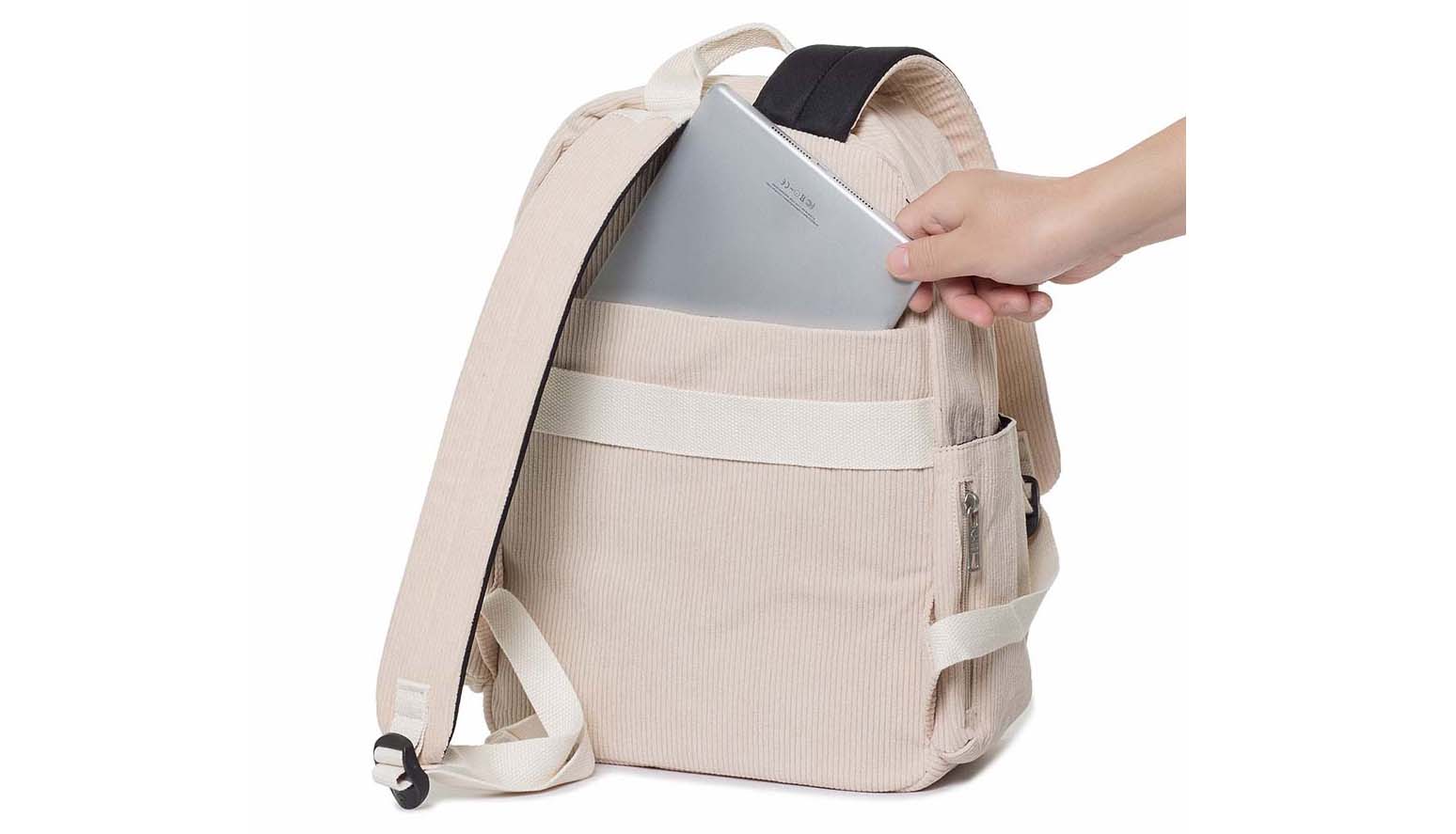
Digital learning has made device storage relevant to many older students, but traditional school supplies still need room. A well-planned student laptop backpack can accommodate electronics alongside notebooks, pens, headphones, chargers, and personal items without turning the main compartment into a jumble.
A padded laptop sleeve can help cushion a device during ordinary movement, especially when it fits the laptop's dimensions. However, padding levels differ, and a sleeve should not be assumed to provide complete protection against drops or heavy impacts.
Useful Storage Features
Separate pockets make small items easier to find. An internal organizer can hold pens and cables, a secure pocket can store keys or transit cards, and an exterior bottle pocket can keep a water bottle separate from books and electronics.
Wide openings can make it easier to retrieve books and folders, while smooth zippers save time during busy transitions between classes. For students who carry only a few items, a simpler layout may be more practical than a backpack filled with specialized pockets.
5. Rain Resistance and Material Choices
Weather is an important consideration for students who walk, cycle, or rely on public transportation. A backpack may spend time outdoors while its owner waits for a bus or crosses a campus, so a water-resistant exterior can be useful in light rain and damp conditions.
Polyester, nylon, coated fabrics, and other material combinations offer different balances of weight, texture, flexibility, and water resistance. The fabric name alone does not establish how well a backpack handles rain; coatings, seams, zippers, and construction also affect performance.
Water-Resistant Is Not the Same as Waterproof
Water-resistant materials can help repel limited moisture, but they may not protect contents during prolonged rain or immersion. Waterproof designs typically require additional attention to fabric construction, seams, and closure systems.
Students who regularly commute in wet conditions can consider a rain cover or a separate waterproof sleeve for important electronics. In warmer weather, a breathable back panel and comfortable straps may be just as important as weather protection.
6. Practical Safety, Visibility, and Reliable Closures
Small design details can make daily travel more convenient. Reflective accents may improve visibility in low-light conditions, particularly during darker mornings or evenings. They should be treated as an additional visibility feature, not a substitute for appropriate road-safety practices.
Zippers should move smoothly, buckles should fasten securely, and strap attachments should feel stable. Younger students may benefit from simple closures they can operate independently, while commuters may appreciate secure pockets for personal belongings.
Students who cycle can also consider how the backpack fits while riding. A bag that moves excessively, hangs too low, or interferes with movement may be less suitable for that commute. Fit and stability matter more than the number of extra features.
7. European Student Backpack Styles: Practical Meets Personal
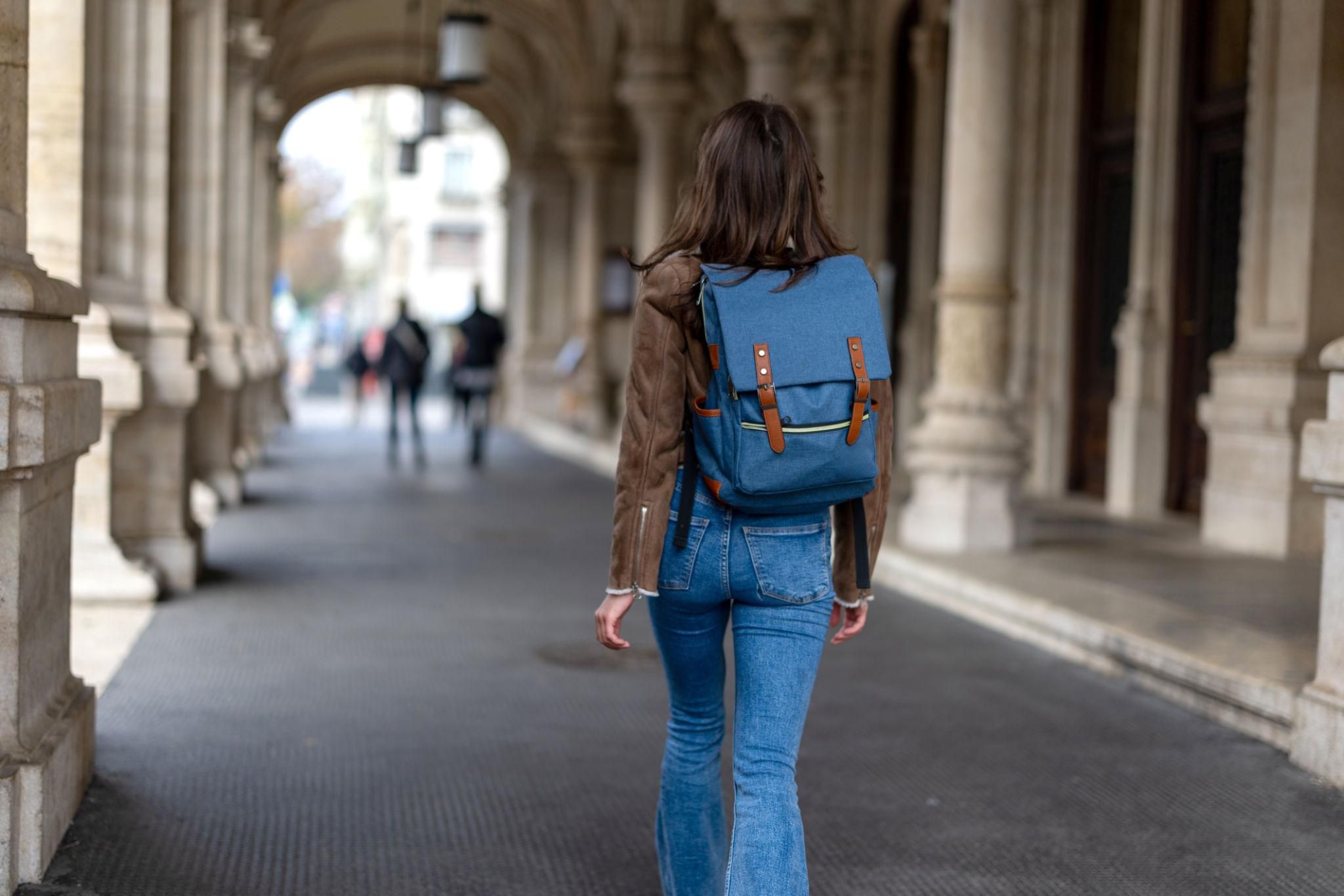
Student backpack style varies across countries, schools, age groups, and individual preferences. Some students favor clean, minimalist designs in black, navy, or beige, while others prefer colorful fabrics, playful prints, retro shapes, or sporty silhouettes.
University students often want a backpack that transitions easily between lectures, libraries, commuting, and casual social settings. A restrained color palette and a simple silhouette can work across different outfits, while a distinctive texture or accent color adds personality without changing the bag's function.
How to Balance Style and Function
Start with the features that matter every day, such as comfort, capacity, and storage. Then choose the color, material, and shape that fit your personal style. A stylish backpack does not need excessive decoration, and a practical design does not have to look overly technical.
For younger students, playful colors and easy-to-identify details may be appealing. For older students, a clean everyday design may be easier to use across campus, commuting, and weekend activities.
8. Durability and Sustainability in Student Backpacks
Students may use the same backpack throughout a school year or longer, so construction quality deserves attention. Reinforced seams, sturdy zipper tracks, durable base panels, and secure strap attachments can help a backpack handle repeated everyday use.
Recycled fabrics and other material choices can appeal to students who consider environmental impact when shopping. However, a recycled label by itself does not establish a backpack's overall environmental performance or durability.
A more useful evaluation considers the material, expected lifespan, repairability, care requirements, and whether the bag suits the user's needs well enough to avoid an unnecessarily early replacement. A backpack that can be maintained and used for an appropriate period may offer practical value as well as everyday convenience.
Check the Details Before Choosing
Inspect the seams, zippers, lining, and bottom panel. If a backpack includes a laptop compartment, check whether its padding and dimensions match the device. Clear material and care information can also help you understand how to maintain the bag.
European Student Backpack Requirements: A Quick Checklist
The following table summarizes common considerations by student type. These are general selection guidelines, not mandatory standards that apply to every school or country in Europe.
| Student Type | Key Priorities | Useful Features |
|---|---|---|
| Primary school | Appropriate fit, manageable load, easy access | Adjustable straps, simple closures, visible details |
| Secondary school | Books, folders, comfort, everyday organization | Multiple compartments, reinforced base, bottle pocket |
| University | Flexible capacity, device protection, commuting | Padded laptop sleeve, organizer pockets, comfortable back panel |
| Daily cyclist | Stable fit, weather protection, visibility | Adjustable straps, reflective accents, rain cover |
| Frequent public transit user | Easy access, manageable dimensions, secure storage | Smooth zippers, compact organization, secure pockets |
Pre-Purchase Checklist
Before choosing a backpack, check that it fits the wearer's body, accommodates the usual daily load, and feels comfortable when packed. Make sure the main compartment is easy to access and that any laptop sleeve fits the intended device.
Consider the local climate, commuting method, fabric care requirements, and construction details. For school-age children, check the school's specific rules and involve the child in trying on the backpack whenever possible.
Frequently Asked Questions About European Student Backpacks
What are the backpack requirements for students in Europe?
Requirements depend on the student's age, school, and country. Common practical priorities include a suitable fit, comfortable adjustable straps, enough space for school supplies, secure closures, and appropriate durability. Some schools may have additional rules, so check local guidance.
What size backpack is best for European students?
The right size depends on body dimensions and daily carrying needs. Younger children generally need a bag proportioned to their torso, while older students may need extra room for textbooks and laptops. Check the bag's actual dimensions and usable compartments rather than choosing by capacity alone.
Do European schools have a standard backpack size limit?
There is no single backpack size limit that can be assumed to apply to every European school. Individual schools or programs may set their own requirements. Check the relevant school guidance before choosing a bag when dimensions or equipment rules are a concern.
What features should a student backpack have?
Useful features include adjustable padded straps, a comfortable back panel, easy-to-use zippers, appropriate capacity, and secure storage. Students who carry electronics may also benefit from a suitably padded laptop compartment, while commuters may value water resistance and reflective details.
Are waterproof backpacks necessary for students in Europe?
Not every student needs a fully waterproof backpack. Water-resistant materials may be sufficient for occasional light rain, while frequent outdoor commuters may prefer stronger weather protection or a rain cover. Consider local conditions and how sensitive the contents are to moisture.
What is the best backpack material for students?
There is no single best material for every student. Nylon, polyester, coated fabrics, and other materials vary in weight, texture, durability, and water resistance. Compare the actual construction and care instructions with your everyday needs.
Do university students need a laptop backpack?
Students who regularly carry a laptop may find a dedicated, appropriately padded compartment useful. Those who do not carry electronics may prefer a simpler backpack with more flexible storage. The right design depends on the devices and other items used during a typical day.
How can students choose a comfortable school backpack?
Try the backpack with a typical load, adjust both shoulder straps, and check that it sits securely without digging into the shoulders. Keep heavier items close to the back and avoid carrying unnecessary supplies. Persistent discomfort is a reason to reassess the fit and carrying load.
Are sustainable backpacks a good choice for students?
A backpack made with recycled materials may appeal to students who prioritize material sourcing. Also consider construction, repairability, care requirements, and expected useful life. A sustainability claim should be evaluated on its specific evidence rather than the label alone.