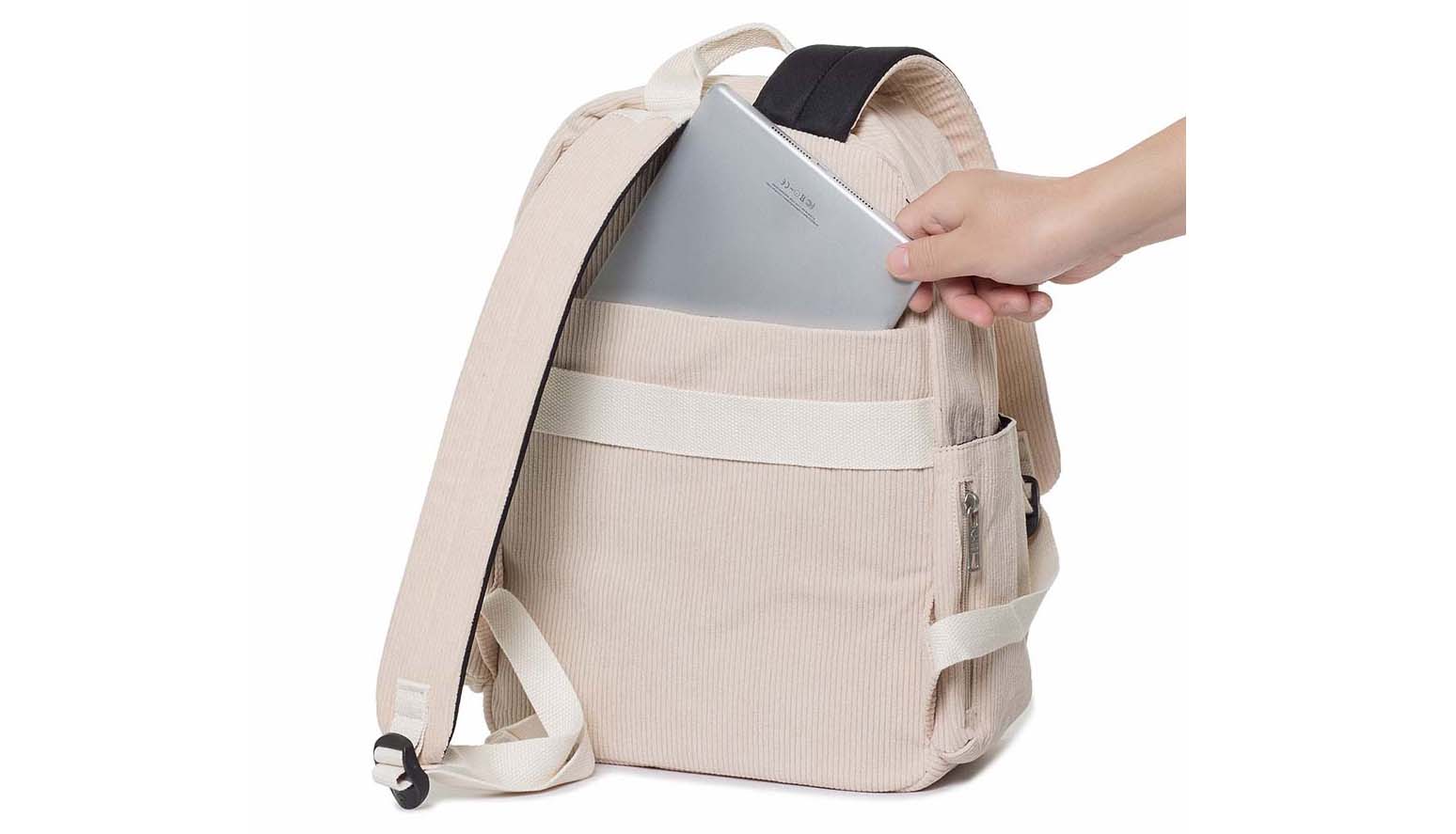
How to Choose the Perfect Bag for a Child: A Gift-Giving Guide
A bag can be a fun and practical gift for a child. The best choice balances a kid-friendly design with a comfortable fit, useful storage, and features that suit the child's age and daily routine.
Finding a gift for a child can be tricky. Toys may lose their appeal, clothing can be difficult to size, and preferences change quickly as kids grow. A well-chosen bag offers a different kind of gift: something a child can use for school, family outings, sleepovers, hobbies, or trips.
But not every bag makes a good gift for every child. A preschooler may enjoy a small backpack with a playful design, while an older child may prefer a simple bag with space for books, a water bottle, and personal belongings. Comfort, size, and everyday usefulness matter just as much as appearance.
Whether you're shopping for a birthday, holiday, back-to-school celebration, or another special occasion, this guide will help you choose a bag that feels thoughtful and fits the child's needs.
1. Start With the Child's Age
Age is a helpful starting point because it can give you an idea of the child's size, independence, and daily activities. However, children develop at different rates, so use age as a guide rather than a strict rule. The bag should fit the individual child.
For toddlers and preschoolers
A small, lightweight backpack is often a suitable choice for younger children. It can hold a favorite toy, a spare shirt, a small snack, or other items for a family outing. Simple compartments and easy-to-use zippers are especially helpful when little hands are still developing their coordination.
Avoid choosing an oversized bag simply because the child may grow into it. A bag that is too large or heavy can be awkward to carry. For very young children, an adult should check the fit, supervise use, and make sure all features are appropriate for the child's age.
For elementary school-age children
Children in this age group may need a bag for school supplies, after-school activities, library visits, or weekend trips. Look for a design that has enough space for the items they actually carry, with comfortable straps and pockets that are easy to understand.
Their personal preferences may also be becoming more specific. A favorite color, animal, sport, hobby, or type of pattern can help make the gift feel more personal.
For tweens and teens
Older children often want more say in what they wear and carry. A cleaner design, versatile color, or bag that works for school and weekends may be more appealing than a character-themed style. Compartments for books, a tablet, or other everyday essentials may also be useful.
If you're unsure about their taste, ask a parent or caregiver about the colors and styles the child currently likes. For older kids, a gift receipt or the option to exchange the bag can be a thoughtful way to give them some choice.
2. Think About How the Bag Will Be Used
Before looking at colors and patterns, consider where the child is most likely to use the bag. A school bag has different needs from a small backpack for family outings or a bag for sports and hobbies.
| Bag type | Useful features | Best suited for |
|---|---|---|
| Small backpack | Lightweight construction, simple pockets, easy zippers | Preschool, outings, and everyday essentials |
| School backpack | Comfortable straps, organized compartments, suitable capacity | Books, folders, and school supplies |
| Day trip backpack | Water-bottle pocket, quick-access storage, easy-clean fabric | Family trips, parks, and sightseeing |
| Sports or activity bag | Room for activity gear, practical opening, easy-care materials | Sports, dance, clubs, and lessons |
| Small overnight bag | Room for clothing and toiletries, sturdy handles, simple organization | Sleepovers and short visits |
A multipurpose bag can be a particularly useful gift when you don't know the child's exact routine. A simple backpack that works for outings, visits with relatives, and everyday activities may get more use than a bag designed for only one special occasion.
If the child already has a school backpack, consider a smaller daypack or an activity bag instead. This helps you avoid buying something they already own in a very similar form.
3. Choose the Right Size and Weight
Size is one of the most important things to get right. A bag should have enough room for its intended use without overwhelming the child's body. The largest option is not necessarily the most useful, and a compact bag can be a better choice for everyday outings.
Check the bag's actual dimensions and compare them with the child's height and torso. When possible, try the bag on or ask a parent to confirm that it sits comfortably on the child's back.
Keep the packed weight manageable
A bag may feel light when empty but become heavy once books, a water bottle, toys, or a change of clothes are added. Choose a lightweight design and consider what the child will carry regularly.
For school use, follow the school's guidance and relevant pediatric advice on backpack fit and load. A commonly used general guideline is to keep a loaded school backpack around 10–15% of the child's body weight, but the appropriate amount can vary. Comfort, fit, individual needs, and professional guidance matter more than treating a percentage as a universal rule.
- Check the dimensions rather than relying only on age labels.
- Consider the child's height and build.
- Choose enough capacity for real needs, not hypothetical extras.
- Look for a lightweight bag that won't add unnecessary load.
- Check how the bag sits when it contains everyday items.
4. Look for Comfort and Easy Handling
A gift is more likely to be used if it feels comfortable. For a backpack, the shoulder straps, back panel, and overall shape can make a noticeable difference to how it feels when worn.
Comfortable shoulder straps
Look for straps that are adjustable and wide enough to sit comfortably on the child's shoulders. Soft padding can help reduce pressure, but the straps should also be shaped and positioned appropriately for the child's body.
Easy-to-use zippers and buckles
Children may get frustrated with tiny zipper pulls, stiff fasteners, or complicated closures. If possible, check that the zippers move smoothly and the main compartment opens without too much effort.
A practical handle and stable shape
A sturdy top handle can make a bag easier to pick up or hang on a hook. A bag that holds its shape reasonably well may also be easier for children to pack and unpack.
If you're giving a backpack to a younger child, ask a parent or caregiver to check the fit. The bag should not hang excessively below the waist or interfere with the child's normal movement.
5. Pick a Design That Reflects the Child's Interests
Appearance is often what makes a child excited about a gift. A bag in their favorite color or with a design connected to their interests can feel special, even when the bag itself is simple.
Think about what the child enjoys right now. Depending on their personality, possible choices include:
- Animal-inspired designs: For children who love pets, wildlife, or nature.
- Bright colors and playful patterns: For kids who enjoy bold, cheerful styles.
- Outdoor-inspired looks: For children who enjoy camping, parks, and family adventures.
- Simple, versatile colors: For older kids who prefer a more understated style.
- Creative designs: For children interested in art, music, space, or other hobbies.
If you don't know the child's current favorite characters or trends, a color they like or a design based on a general interest can be a safer choice. Trends and preferences change, so avoid assuming that every child of the same age will like the same style.
Also consider where the bag will be used. A playful design may be perfect for outings, while a more neutral style might work across school, activities, and family trips.
6. Consider Materials and Easy Cleaning
Kids' bags can encounter spilled drinks, snack crumbs, playground dust, and rainy walks. Materials that are easy to wipe down or machine-washable according to the care label can make the bag easier for families to maintain.
Nylon and polyester are common backpack materials. Depending on their construction and finish, they can offer a practical balance of weight, flexibility, and everyday wear resistance. The quality of stitching, zippers, and reinforcement also matters.
What to check before buying
- Care instructions: Check whether the bag can be wiped clean or washed as directed.
- Stitching: Look at the areas where the straps join the bag.
- Zippers: Check that they feel sturdy and move smoothly.
- Fabric: Choose a material appropriate for everyday use and the local climate.
- Water protection: Check whether the bag is water-resistant and remember that this does not necessarily make it waterproof.
You don't need a heavy-duty outdoor bag for every child. For normal school days or family outings, a straightforward design with sensible construction may be enough. Focus on the conditions in which the child will actually use it.
7. Check Safety and Practical Details
A children's bag should be comfortable to carry and suitable for the child's age. Before purchasing, look beyond the colors and compartments to check the small details that affect everyday use.
- Age-appropriate construction: Check the product's recommended age and any applicable safety information.
- Securely attached parts: Inspect decorations, clips, and other components that could come loose.
- No unnecessary small detachable pieces: These may be unsuitable for very young children, especially those who still put objects in their mouths.
- Comfortable fit: Make sure the bag does not restrict movement or hang awkwardly.
- Visibility: Reflective details can improve visibility in low-light conditions, but they do not replace supervision or other road-safety practices.
- Clear care and product information: Follow the manufacturer's guidance and check applicable safety standards where relevant.
For younger children, avoid designs with long loose cords or drawstrings around the neck area. Check the product's construction and age guidance carefully, and choose a design suited to the child's stage of development.
If the bag will be used for school, check whether the school has requirements for size, color, storage, or other features. For children who carry books daily, a comfortable fit and manageable load should take priority over decorative extras.
8. Make the Gift Feel Personal
A bag can feel more thoughtful when it reflects something about the child. Personalization doesn't have to be expensive or elaborate; even a small detail can make the gift feel chosen specifically for them.
Consider adding a name tag, a simple initial, a removable charm suitable for the child's age, or a handwritten note explaining why you picked the design. For younger children, a name label can also help identify their belongings.
If the bag will be taken to school or used in public, think carefully about how much personal information is displayed on the outside. A discreet label inside the bag may be preferable to prominently showing a child's full name and contact details.
You can also make the gift more useful by pairing the bag with a few age-appropriate items, such as a notebook, colored pencils, a small travel game, or a reusable snack pouch. Choose items that fit comfortably inside and don't make the bag unnecessarily heavy.
Which Bag Makes a Good Gift for Different Occasions?
The occasion can help narrow down your choices. A gift for a child's birthday may focus more on personal style, while a back-to-school gift should prioritize fit, organization, and daily usefulness.
| Occasion | Bag idea | Why it may work |
|---|---|---|
| Birthday | A bag in a favorite color or playful design | Feels personal and celebrates the child's interests |
| Back to school | A comfortable, well-organized school backpack | Supports everyday routines and carries school essentials |
| Holiday gift | A versatile daypack or activity bag | Can be used for family outings and future trips |
| Travel gift | A compact backpack or small overnight bag | Gives the child a place for personal travel items |
| Gift for a young child | A small, lightweight backpack with simple closures | Easy to carry and straightforward to use with adult guidance |
If the child already has several bags, ask a parent what they use most often. A different size or style may be more useful than another version of something they already own.
Gift-Buying Checklist: Before You Make a Choice
Use this checklist to make sure the bag is a thoughtful gift as well as a practical one.
- The bag suits the child's age, height, and everyday needs.
- The size provides enough room without being unnecessarily large.
- The empty weight is manageable for the child.
- The shoulder straps and handles are comfortable and practical.
- The zippers and closures are easy for the child to use.
- The material and care instructions fit the family's routine.
- The design reflects the child's interests or preferred style.
- The product's age guidance and safety details have been checked.
- The bag meets school or activity requirements, if applicable.
- You have considered whether the child already owns something similar.
Frequently Asked Questions
What kind of bag is best to give a child as a gift?
A lightweight backpack is a versatile option for many children because it can be used for outings, school, and travel. The best choice depends on the child's age, size, interests, and daily routine.
Is a backpack a good birthday gift for a child?
It can be a practical and personal birthday gift, especially when the design reflects the child's interests. Choose a bag that suits their current needs rather than buying a much larger one simply so they can use it as they grow.
What size backpack should I buy for a young child?
Start with the child's height and the items they need to carry. Look for a compact, lightweight design that sits comfortably on their back. Product age labels can help, but fit should be checked for the individual child.
Should I choose a cute bag or a practical one?
Ideally, choose one that offers both. A design the child likes can make the gift exciting, while comfortable straps, useful storage, easy cleaning, and suitable construction help make it practical for everyday use.
What materials are suitable for kids' bags?
Nylon and polyester are common options for everyday bags because they can be lightweight and practical. Check the fabric construction, stitching, zipper quality, and care instructions rather than choosing based on the material name alone.
What if I don't know the child's preferences?
Ask a parent or caregiver about the child's age, favorite colors, current bag needs, and any school requirements. If you cannot ask, a simple, versatile design in a broadly appealing color can be a reasonable starting point.
Should I personalize a bag with the child's name?
Personalization can make a gift feel special, but consider privacy if the bag will be used in public. An inside name label or a simple initial may be a better choice than displaying the child's full name on the outside.
Final Thoughts
A bag can be a meaningful gift when it matches the child's size, interests, and everyday activities. Start by thinking about how the bag will be used, then compare comfort, weight, storage, materials, and age-appropriate details.
Whether you choose a small backpack for outings, a school bag for everyday routines, or a compact travel bag for family adventures, the best gift is one the child can comfortably use and genuinely enjoy.