Article Summary: Not sure whether a backpack is worth choosing? Learn how zippers, stitching, materials, straps, and internal design details can reveal the quality and everyday performance of a backpack.
How to Tell If a Backpack Is Well Made: The Details That Reveal Quality
A backpack may look great at first glance, but the small construction details often tell the real story. From stitching and zippers to straps and storage design, here is how to evaluate backpack quality before choosing one.
Choosing a backpack is not only about appearance. A stylish design may attract attention, but the details you cannot immediately notice often determine how comfortable and practical the bag will be over time.
Whether you are looking for a daily commuter backpack, a travel backpack, a laptop bag, or an outdoor pack, learning how to read these details can help you make a more informed decision. Here’s the thing—quality usually appears in the small areas where design meets function.
1. Check the Stitching: The Foundation of Backpack Quality
Stitching is one of the easiest ways to judge how carefully a backpack is constructed. Strong backpacks usually have clean, even stitching without loose threads, uneven lines, or areas where the fabric appears stretched.
Pay special attention to high-stress areas such as shoulder strap attachments, handles, zipper edges, and the bottom corners of the bag. These areas carry more weight and experience more pulling force during everyday use.
Reinforced stitching, such as extra stitching patterns around strap connections, can improve stability when carrying heavier items like laptops, books, or travel essentials.
Quick Quality Check: Stitching
- Are the stitches straight and evenly spaced?
- Are stress points reinforced?
- Are there loose threads around seams?
- Does the bottom panel feel securely attached?
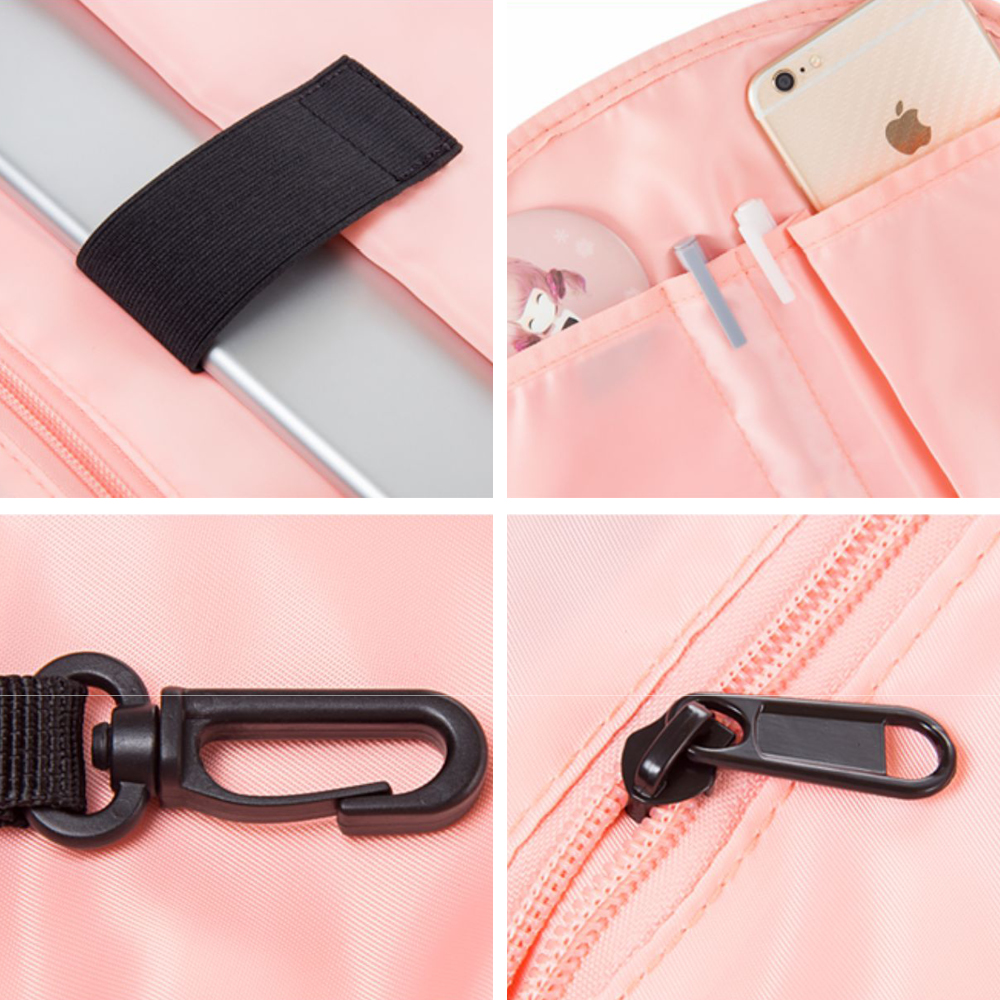
2. Examine the Zippers and Hardware
Zippers are often one of the first components to show quality differences. A backpack can have excellent fabric, but weak zippers may affect the overall user experience.
A good zipper should move smoothly without excessive resistance or catching. The zipper pull should also feel comfortable to use, especially if you open and close the bag frequently throughout the day.
Look at other hardware too, including buckles, clips, adjustment pieces, and metal rings. These small components should feel secure rather than lightweight or fragile.
3. Evaluate the Backpack Material
The material influences how a backpack feels, looks, and performs in everyday situations. Different materials create different advantages depending on the intended use.
| Material | Common Characteristics | Suitable For |
|---|---|---|
| Nylon | Lightweight, durable, often water-resistant | Travel and everyday use |
| Canvas | Natural texture, casual appearance | Lifestyle and academic styles |
| Polyester | Affordable, versatile, easy-care | Daily commuting |
| Leather / Synthetic Leather | Structured appearance and premium feel | Business and fashion styles |
The important question is not simply which material is “best.” What matters is whether the material matches your lifestyle. A travel backpack may benefit from lightweight and water-resistant fabrics, while a fashion backpack may prioritize texture and structure.
4. Look Closely at the Shoulder Straps
Shoulder straps are one of the most important comfort features because they directly affect how the backpack feels when carrying weight.
A well-designed backpack usually has adjustable straps with enough width and padding to distribute pressure more comfortably. Thin straps may look minimal, but they can become uncomfortable when the bag is heavily packed.
Also check how the straps connect to the main body. Strong attachment points help prevent stress from concentrating in one small area.
5. Inspect the Back Panel Design
The part of the backpack touching your back influences comfort, especially during commuting, travel, or outdoor activities.
A quality backpack often includes padding, breathable mesh, or structured support that creates better airflow and reduces pressure. This is particularly important for travel backpacks and laptop bags for travel, where users may carry heavier loads for longer periods.
6. Check the Internal Organization
A backpack should not only hold items—it should help you organize them. The internal layout often reveals whether the design was created around real daily needs.
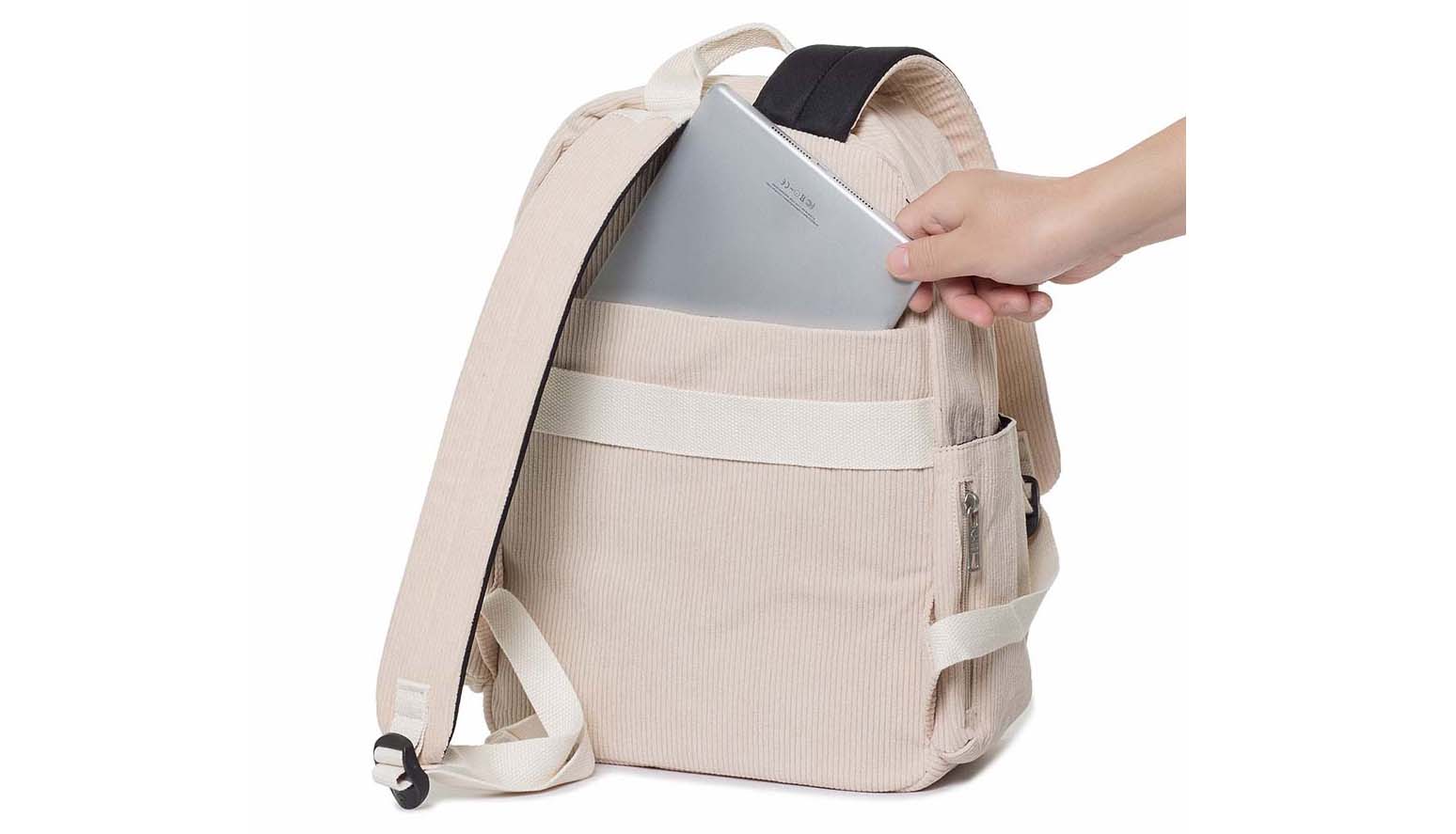
Useful features may include a padded laptop compartment, smaller accessory pockets, key clips, bottle holders, and separate sections for frequently used items.
A well-designed interior prevents everything from collecting at the bottom of the bag and makes daily routines easier.
7. Pay Attention to the Bottom Structure
The bottom of a backpack experiences constant contact with floors, chairs, luggage racks, and outdoor surfaces. It is often an overlooked area when judging quality.
A reinforced bottom panel can help maintain shape and provide additional protection for the contents inside. This detail is especially useful for backpacks designed to carry electronics or heavier belongings.
8. Consider Functional Details
Small features can make a significant difference in everyday use. A luggage sleeve can be helpful for travelers who combine a backpack with carry-on luggage, while hidden pockets can provide extra convenience during commuting.
For people carrying electronics, features similar to water resistant laptop bags can provide additional confidence during unpredictable weather.
The best details are usually not the most noticeable ones. They are the features you appreciate after using the backpack regularly.
A Simple Backpack Quality Checklist
- Even and reinforced stitching
- Smooth and reliable zippers
- Durable material suitable for your lifestyle
- Comfortable padded shoulder straps
- Supportive back panel design
- Practical internal compartments
- Strong bottom construction
- Useful details without unnecessary complexity
The Bottom Line
A high-quality backpack is rarely defined by one single feature. Instead, it is the combination of many small decisions: stronger stitching, better materials, comfortable straps, reliable hardware, and thoughtful organization.
Once you know what details to check, it becomes much easier to look beyond appearance and choose a backpack that fits your daily habits, whether you are commuting, traveling, studying, or exploring outdoors.